What Causes Concrete Cracks in Driveways?
Concrete driveways are designed to be strong, durable, and capable of lasting for decades. However, even well-installed driveways can develop cracks over time. For homeowners in Kentwood, Michigan, this is especially common because of the region’s weather patterns, soil movement, and everyday vehicle use. While cracks can sometimes indicate a structural issue, many are simply the result of natural stresses that concrete experiences throughout its lifespan. Understanding the most common causes of concrete driveway cracks can help homeowners maintain their surfaces and know when repairs may be needed.
Concrete Naturally Shrinks as It Cures
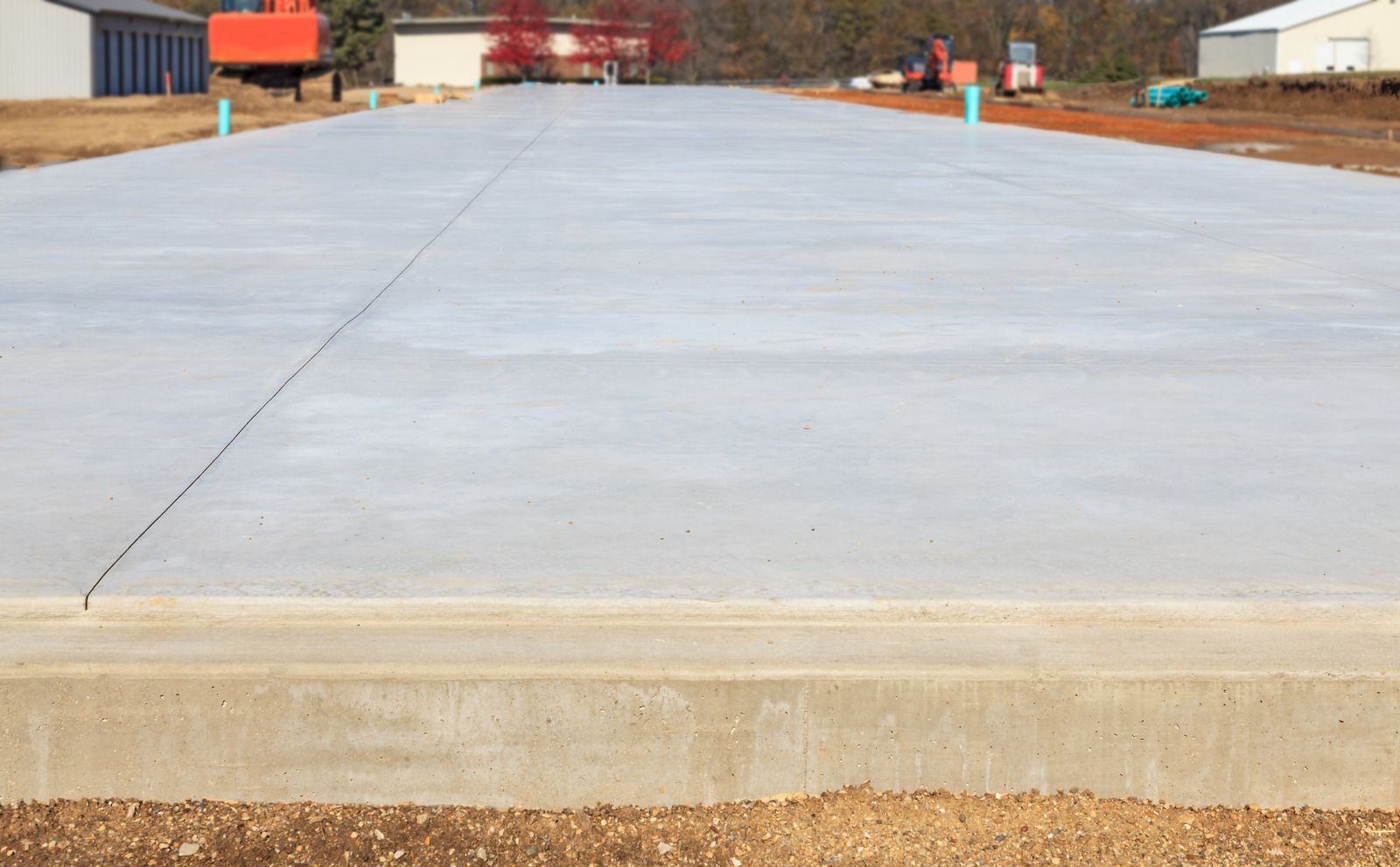
One of the most fundamental reasons concrete cracks is because of the way it hardens. When concrete is first poured, it contains water that gradually evaporates during the curing process. As this moisture leaves the mix, the concrete shrinks slightly. If that shrinkage occurs unevenly or too quickly, internal stresses develop that can cause hairline cracks on the surface.
This type of cracking is often called shrinkage cracking, and it’s common in large concrete slabs like driveways. Proper curing techniques—such as controlling moisture loss and timing the finishing process correctly—can help reduce these cracks, but they can still occur even with quality workmanship.
Freeze-Thaw Cycles in Michigan
In climates like West Michigan, weather plays a major role in the lifespan of concrete surfaces. Kentwood experiences long winters with frequent temperature swings above and below freezing. When water enters the tiny pores or cracks in concrete and freezes, it expands by roughly 9 percent. That expansion creates pressure inside the concrete, which can widen existing cracks or create new ones.
As temperatures rise again, the ice melts and the water seeps deeper into the concrete. When the next cold snap arrives, the process repeats. Over time, these repeated freeze-thaw cycles can cause visible cracking, scaling, and surface deterioration. This is one reason driveways in Kentwood and the Grand Rapids area often show more wear than those in warmer climates.
Poor Base Preparation Beneath the Driveway
Another common cause of concrete driveway cracking is inadequate base preparation. Concrete slabs rely on a stable, compacted foundation beneath them. If the soil or gravel base underneath the driveway is not properly compacted or prepared, the slab may not have consistent support.
When sections of the ground settle, shift, or erode, the concrete above is forced to bend slightly. Because concrete has very little flexibility, it typically responds by cracking to relieve the stress.
In areas with clay soil or heavy rainfall, the ground can expand when wet and shrink when dry. This repeated soil movement can create uneven pressure beneath the driveway. Proper site preparation, including compacted gravel bases and good drainage planning, helps reduce the risk of settlement-related cracks.
Heavy Loads and Vehicle Stress
Residential concrete driveways are usually designed to support standard passenger vehicles, SUVs, and light trucks. However, they may not be built to withstand extremely heavy loads such as large delivery trucks, construction equipment, or dumpsters.
When a heavy vehicle sits on a driveway for an extended period, it places significant stress on the slab. If the concrete thickness or reinforcement was not designed for that weight, the slab can deflect slightly. That bending stress often leads to cracks, particularly near edges or thinner areas of the driveway.
This type of cracking often appears as long lines that extend across the driveway or radiate outward from pressure points.
Temperature Expansion and Contraction
Concrete expands in warm temperatures and contracts in colder weather. Over time, this constant movement can create internal stresses within the slab. If a driveway does not have properly spaced control joints—intentional grooves that guide where cracks should occur—the stress may cause cracks to form randomly across the surface.
Control joints help manage these stresses by giving the concrete a predetermined place to crack in a straight line. Without them, cracks may appear unpredictably and become more noticeable.
Tree Roots and External Pressure
Landscaping can also influence the condition of a driveway. Trees planted near driveways can gradually send roots beneath the concrete slab. As these roots grow thicker, they exert upward pressure on the concrete from below.
Eventually, that pressure may cause sections of the driveway to lift or crack. In many cases, homeowners notice uneven slabs or cracks forming near the edges of the driveway where roots are pushing upward.
Removing nearby trees or installing root barriers during construction can help reduce this risk.
Drainage Problems and Moisture
Water is one of the biggest threats to concrete driveways. Poor drainage can allow water to pool on the surface or seep underneath the slab. Over time, excess moisture can soften the soil base or wash away supporting material beneath the concrete.
When vehicles drive over these weakened areas, the unsupported slab may flex and crack. Proper driveway grading and drainage systems help direct water away from the concrete and protect the base beneath it.
In regions like Kentwood where rainfall and snowmelt are common, effective drainage is especially important.
Why Some Cracking Is Normal
It may surprise homeowners to learn that some cracking in concrete is actually normal. Concrete is incredibly strong in compression but relatively weak in tension, meaning it doesn’t handle pulling or bending forces very well.
Because of this limitation, most concrete driveways will develop minor hairline cracks over time. These small cracks typically do not affect the structural integrity of the driveway. In fact, contractors often design control joints specifically to manage where these inevitable cracks occur.
Protecting Your Concrete Driveway
Although cracks can’t always be prevented completely, proper installation and maintenance can significantly reduce the risk. A well-built driveway begins with proper site preparation, a stable gravel base, and a high-quality concrete mix. Contractors also place control joints to manage cracking and ensure the slab performs well over time.
Homeowners can also help protect their driveways by sealing the surface every few years, addressing small cracks early, and keeping water from pooling near the slab. In colder climates like Kentwood, sealing concrete can reduce moisture penetration and limit freeze-thaw damage.
Final Thoughts
Concrete driveway cracks usually develop from a combination of natural material behavior, environmental conditions, and structural stresses. Shrinkage during curing, freeze-thaw cycles, soil movement, heavy loads, and drainage issues all play a role in how a driveway performs over time. For homeowners in Kentwood, Michigan, understanding these causes can help identify problems early and extend the life of their driveway.
With proper installation, maintenance, and occasional repairs, a concrete driveway can remain functional and attractive for many years—even in the challenging climate of West Michigan.