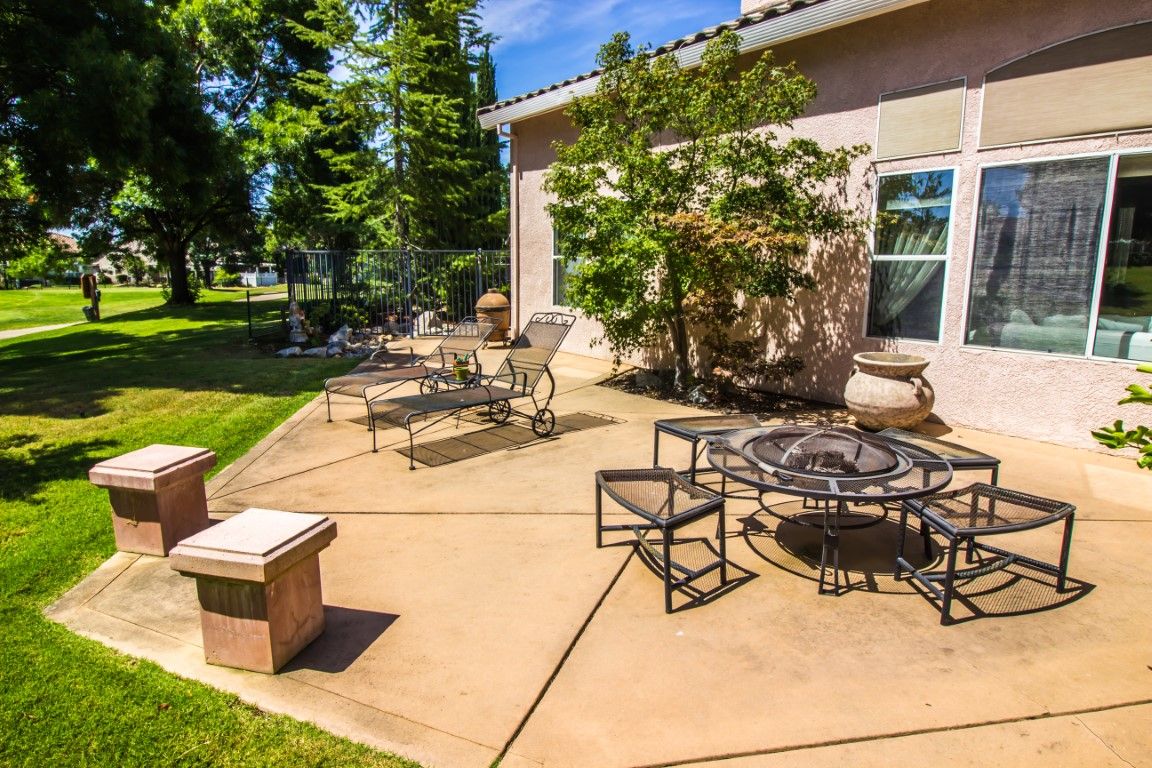
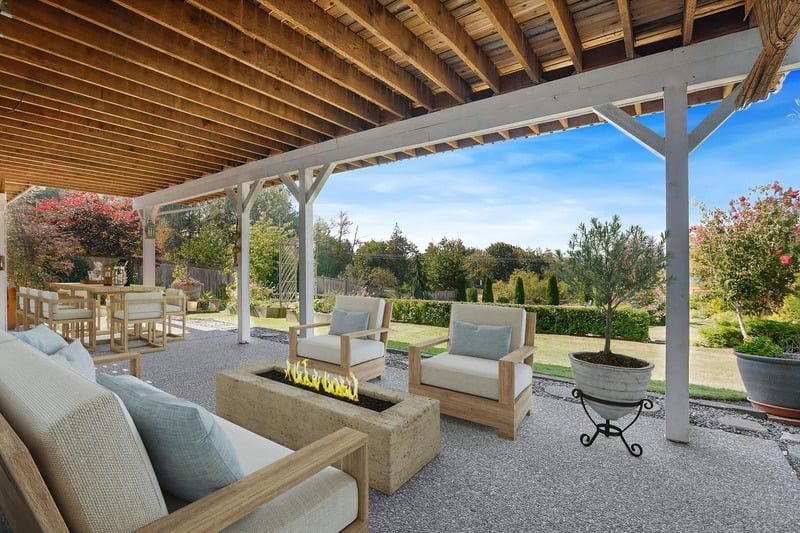
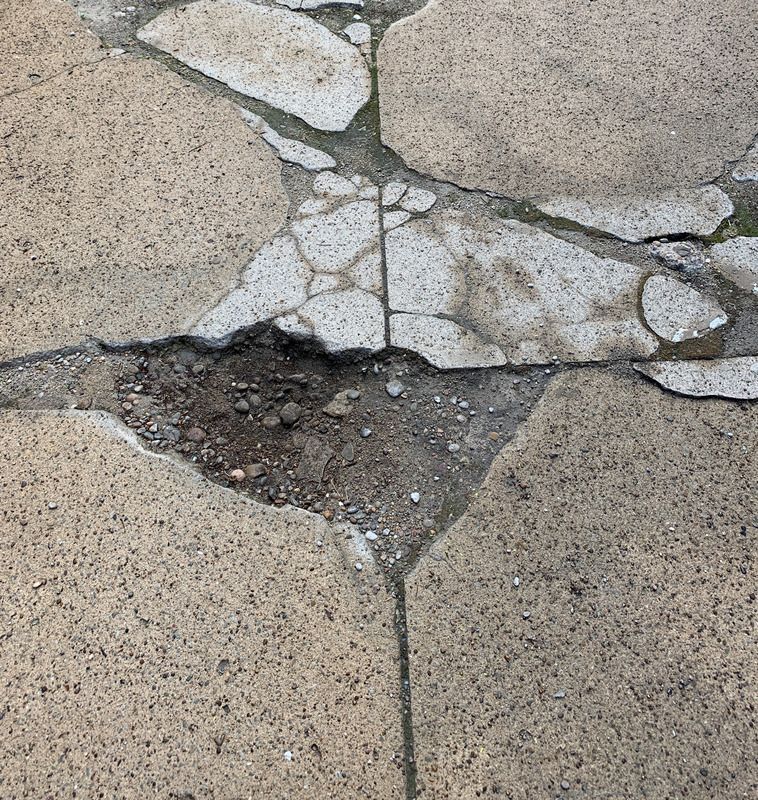
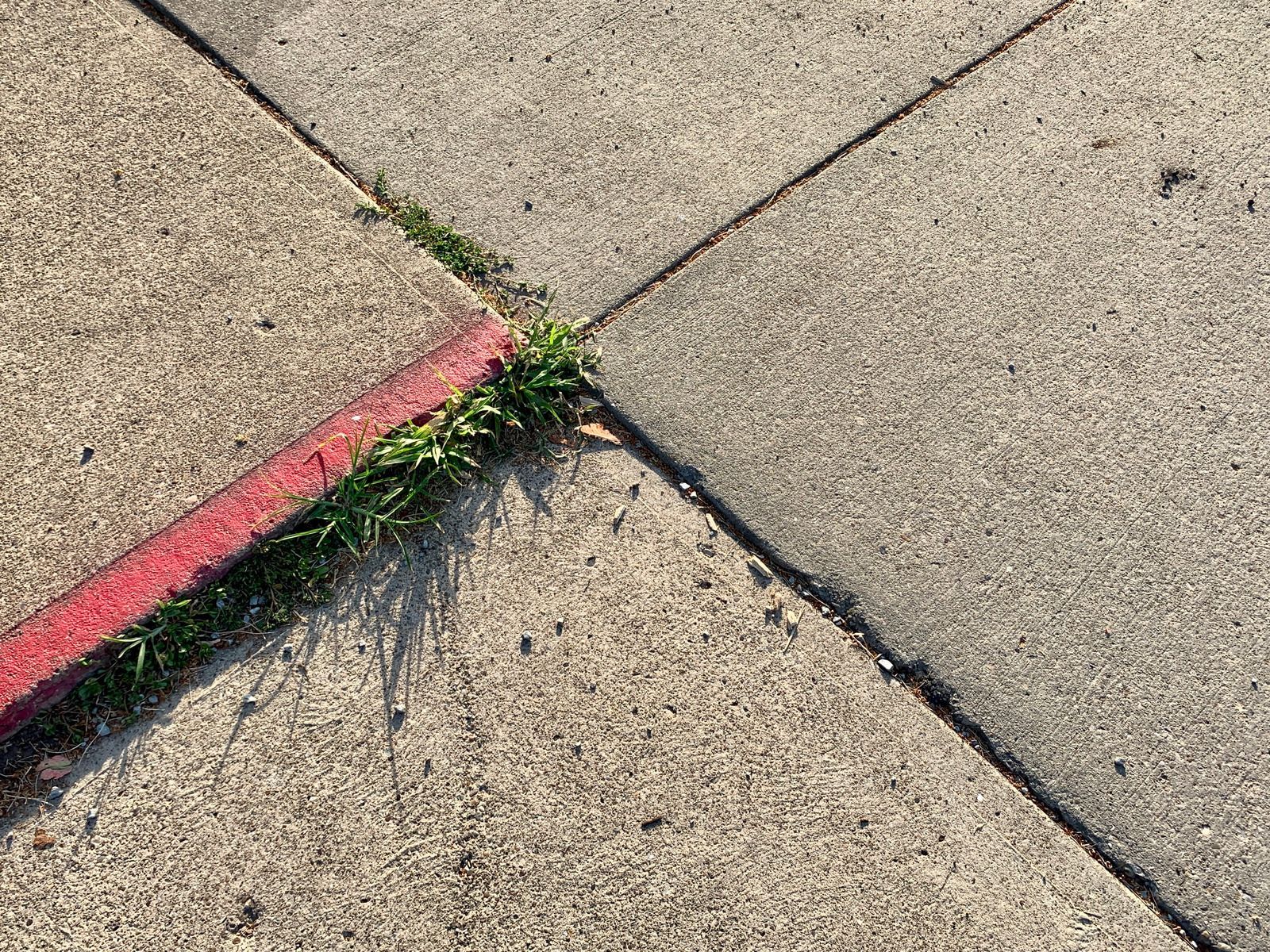
Protecting Your Concrete Patio from Freeze-Thaw Damage in Kentwood, MI

March 11, 2026

Concrete patios are a popular feature in many homes throughout Kentwood, Michigan. They provide a durable outdoor space for relaxing, entertaining, and enjoying West Michigan’s warm summer months. However, anyone who lives in the Grand Rapids area knows that Michigan weather can be tough on outdoor surfaces. One of the biggest challenges for concrete patios in Kentwood is the freeze-thaw cycle that occurs during the colder months. When temperatures swing above and below freezing, moisture trapped inside concrete can expand and contract, potentially leading to cracking, surface damage, and long-term deterioration.


Understanding how freeze-thaw damage occurs and how to protect your patio can help homeowners extend the life of their concrete and avoid costly repairs.


How Freeze-Thaw Cycles Affect Concrete

Concrete may appear solid, but it is actually a porous material. Tiny capillaries inside the concrete allow small amounts of water to penetrate the surface over time. In areas like Kentwood and the surrounding Grand Rapids region, winter temperatures frequently drop below freezing. When water inside the concrete freezes, it expands. This expansion creates internal pressure that can cause the concrete to crack or the surface to flake away. During warmer winter days, that ice melts and turns back into water. The moisture seeps deeper into the concrete, only to freeze again when temperatures drop overnight. This repeated freezing and thawing is what slowly weakens patios, driveways, and sidewalks across West Michigan.

If the concrete surface already has small cracks or worn areas, the freeze-thaw process can accelerate damage even faster.


Common Signs of Freeze-Thaw Damage

Homeowners in Kentwood should keep an eye out for several warning signs that freeze-thaw cycles are affecting their patio. Early detection can make repairs much easier. One of the most common issues is surface scaling, which occurs when the top layer of concrete begins to peel or flake away. This often happens after harsh winters when moisture repeatedly freezes at the surface.

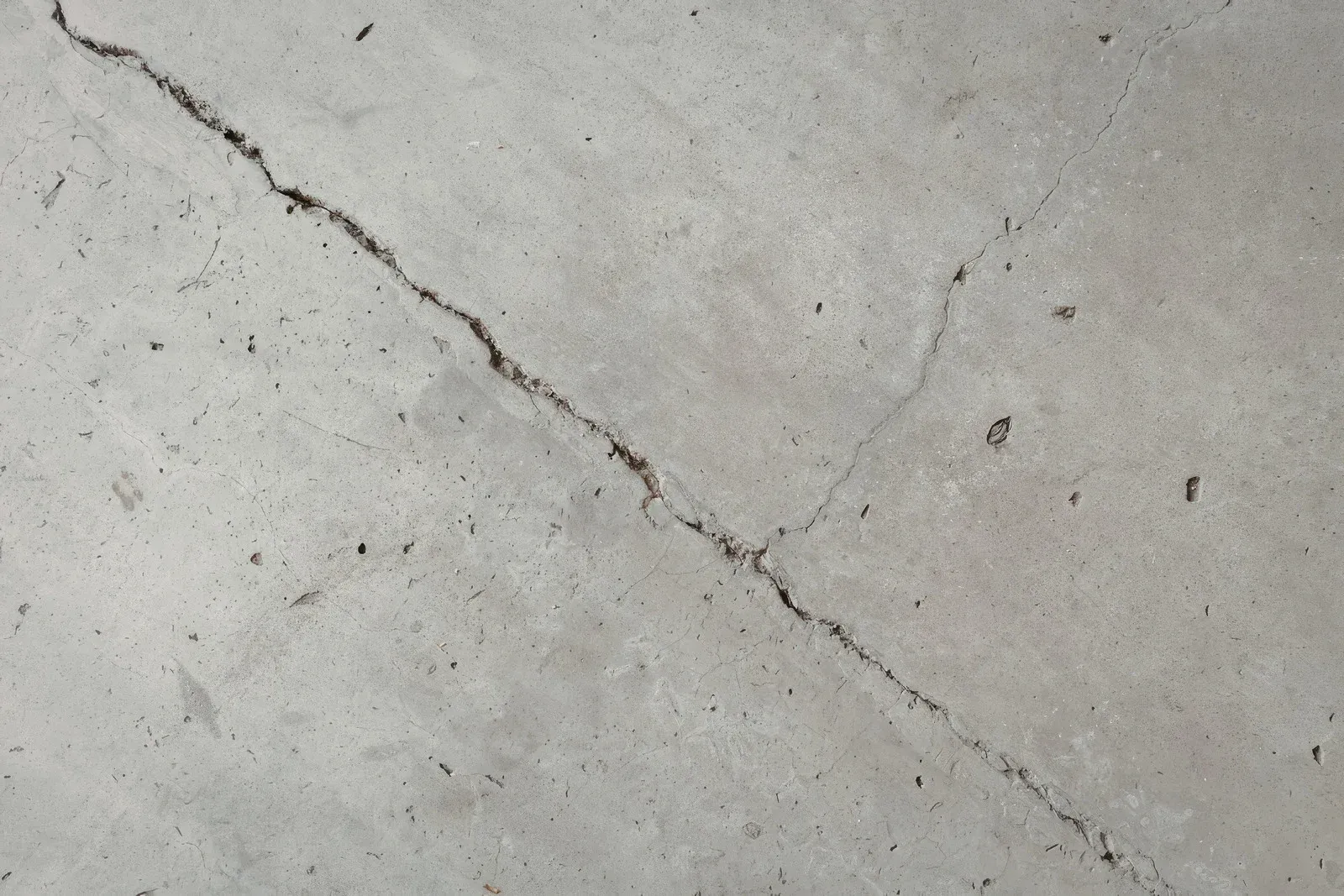
Another sign is hairline cracking. Small cracks may not seem like a big deal at first, but they allow additional moisture to enter the concrete. Over time, these cracks can widen and spread. You might also notice pitting, where small holes or rough spots appear across the surface of the patio. This type of damage can make the concrete look worn and uneven. In more severe cases, freeze-thaw cycles can lead to larger structural cracks or sections of concrete lifting slightly as the ground beneath it shifts during seasonal temperature changes.


Why Kentwood Patios Are Especially Vulnerable

West Michigan’s climate creates the perfect conditions for freeze-thaw damage. Kentwood typically experiences dozens of freeze-thaw cycles each winter. Snowfall, melting snow, and winter rain all introduce moisture to concrete surfaces.

The presence of road salt and de-icing products can also accelerate deterioration. While salt helps melt ice on nearby driveways and sidewalks, it can chemically interact with concrete and increase moisture absorption.Additionally, many patios in Kentwood are surrounded by landscaping, lawn areas, or garden beds that hold moisture in the soil. When snow melts in the spring, water can collect around the patio edges and slowly seep into the concrete.


Preventing Moisture from Entering the Concrete

The most effective way to protect a concrete patio from freeze-thaw damage is to limit the amount of water that enters the concrete in the first place.

A high-quality concrete sealer is one of the best tools homeowners have. Sealers create a protective barrier on the surface that helps repel water while still allowing the concrete to breathe. In climates like Kentwood, sealing a patio every few years can significantly extend its lifespan. Good drainage is also essential. Patios should be installed with a slight slope that directs water away from the home and prevents puddles from forming. If water regularly pools on the surface, it has more time to penetrate the concrete. Keeping gutters and downspouts clear is another simple but effective step. Downspouts should direct water away from patios so runoff doesn’t collect around the concrete slab.


Winter Maintenance Tips for Concrete Patios

How you maintain your patio during the winter months can make a big difference. When removing snow, it’s best to use plastic shovels instead of metal ones. Metal edges can scrape and damage the sealed surface of the concrete, making it easier for moisture to enter. Homeowners should also be cautious about using harsh de-icing chemicals. Some products contain salts that can damage concrete surfaces. If ice melt is necessary, look for concrete-safe options or sand for traction. Another helpful practice is clearing snow from the patio periodically rather than letting large piles accumulate and melt slowly. Less standing moisture means less opportunity for freeze-thaw damage.


Addressing Small Problems Early

If minor cracks or surface damage appear, addressing them early can prevent larger problems down the road. Small cracks can often be filled with specialized concrete repair products designed to keep water out. Regular inspections are especially important in early spring, when snow melts and hidden damage from winter becomes visible. Catching small issues early allows homeowners to repair them before the next freeze-thaw season begins.


Long-Term Durability for Kentwood Patios

Concrete remains one of the most durable and practical patio materials for homes throughout Kentwood and the Grand Rapids area. When properly installed and maintained, a concrete patio can last for decades even in Michigan’s challenging climate. The key is understanding how local weather conditions affect concrete and taking proactive steps to protect it. Sealing the surface, maintaining good drainage, using gentle winter maintenance practices, and repairing small cracks early can all help prevent freeze-thaw damage.


For homeowners who want their outdoor spaces to remain beautiful and functional year after year, protecting concrete patios from Michigan’s winter cycles is a smart investment. With proper care, your patio can continue to be a welcoming place for backyard gatherings, summer cookouts, and relaxing evenings long after the snow has melted.
By Erwin McKenzie March 6, 2026
Concrete patios are one of the most popular outdoor upgrades for homeowners in Kentwood and the greater Grand Rapids area. They provide a durable, attractive space for relaxing, entertaining guests, or simply enjoying Michigan’s warmer months. Compared to wooden decks or loose pavers, a well-installed concrete patio offers long-term strength with relatively low maintenance. However, installing a patio is more than simply pouring concrete in the backyard. Michigan’s climate, soil conditions, drainage requirements, and seasonal freeze–thaw cycles all play a role in how a patio should be designed and built. For homeowners considering this upgrade, understanding the key components of a successful concrete patio can help ensure the project lasts for decades rather than just a few years. One of the first considerations when planning a concrete patio is the layout and placement within the yard. Many Kentwood homeowners choose to place patios directly behind the home for easy access from sliding doors or kitchen entrances. This creates a natural extension of the indoor living space. The patio should be sized to accommodate the activities you plan to use it for. A small patio might be sufficient for a grill and seating area, while larger patios can include dining tables, fire pits, or outdoor kitchens. Location also affects drainage. West Michigan experiences frequent rain and snow, so patios must be positioned and graded correctly to prevent water from collecting near the home’s foundation. A properly installed patio typically slopes slightly away from the house to direct water runoff toward the yard. Even a small slope—often around one eighth inch per foot—can make a big difference in preventing standing water. Another critical factor is excavation and base preparation. What lies beneath the concrete is just as important as the surface itself. In Kentwood and surrounding areas, soil conditions often include clay or compacted earth, which can shift when moisture levels change. To prevent future settling or cracking, contractors typically excavate several inches below the final patio height and install a compacted gravel or crushed stone base. This base layer improves drainage and distributes weight evenly across the slab. For patios in Michigan, proper excavation is especially important because of freeze–thaw cycles. When moisture in the ground freezes, it expands and can push concrete upward. As temperatures warm, the ground contracts again. Without a solid base and adequate depth, this movement can cause cracking or uneven slabs over time. Many professional installations in the region include a compacted aggregate base of several inches to stabilize the patio and reduce frost-related movement. The thickness of the concrete slab itself also plays a role in durability. Most residential patios are poured at about four inches thick, which is generally strong enough to support typical outdoor furniture and foot traffic. In situations where heavier features are planned—such as hot tubs, outdoor kitchens, or masonry fire pits—contractors may recommend thicker concrete or additional reinforcement. Reinforcement is another detail that homeowners should understand before installing a patio. While concrete is strong in compression, it is more vulnerable to cracking under tension. Reinforcement materials such as steel mesh, rebar, or fiber additives help strengthen the slab and reduce the likelihood of significant cracking. Control joints are also cut into the surface during installation. These joints create predetermined points where the concrete can crack in a controlled manner as it expands and contracts with temperature changes. Climate plays a unique role in concrete installation throughout West Michigan. Spring, summer, and early fall are typically the best times to pour patios because temperatures are moderate and the ground is not frozen. Concrete should not be poured on frozen soil, as thawing ground can cause the slab to settle unevenly after installation. Proper curing is also important during cooler weather to allow the concrete to gain strength gradually. Beyond the structural elements, homeowners also have many design options available when installing a concrete patio. Traditional gray concrete remains popular because of its simplicity and durability, but decorative options have expanded significantly in recent years. Stamped concrete can mimic the appearance of brick, natural stone, slate, or wood planks, creating a high-end look without the cost of those materials. Colored concrete can also be used to match the exterior of the home or blend with landscaping features. Decorative borders, patterns, and textured finishes are additional ways to customize a patio. Some homeowners incorporate contrasting colors along the edges or combine stamped sections with smooth walkways to create visual interest. These design features can elevate a simple patio into a centerpiece of the backyard. Another important aspect of patio planning is how the space integrates with the rest of the landscape. In Kentwood neighborhoods where yards often include lawns, gardens, and fences, patios should connect naturally with surrounding elements. Walkways, steps, or small retaining walls can help create smooth transitions between the patio and other outdoor areas. Shade and comfort are also factors to consider during the design phase. While Michigan summers are generally mild compared to southern states, direct sunlight can still make patios uncomfortable during hot afternoons. Many homeowners add pergolas, umbrellas, or shade sails to make the space more enjoyable throughout the day. Landscaping elements like trees or tall shrubs can also provide natural shade and privacy. Maintenance is another topic homeowners should think about before installing a patio. One advantage of concrete is that it requires relatively little upkeep compared to wood decks or other materials. Regular cleaning with a hose or pressure washer helps remove dirt and debris. Sealing the surface every few years can also protect decorative finishes and prevent moisture from penetrating the concrete. In winter, care should be taken when removing snow or ice. Certain deicing salts can accelerate surface damage or scaling. Sand or traction materials are often recommended as a safer alternative during icy conditions. With proper maintenance, a concrete patio can last 25 years or longer while maintaining its appearance and structural integrity. Cost is naturally another factor that homeowners consider when planning a patio installation. The final price depends on several variables, including patio size, site preparation requirements, decorative features, and accessibility of the work area. Larger patios with stamped or colored concrete typically cost more than standard slabs, but they can also add significant visual appeal and property value. It’s also worth noting that cutting corners during installation can lead to costly problems later. Inadequate base preparation, poor drainage design, or thin concrete slabs may initially reduce costs, but they often result in cracking, settling, or premature failure. Investing in quality materials and proper installation techniques is usually the most cost-effective approach over the life of the patio. For homeowners in Kentwood and nearby Grand Rapids communities, a concrete patio offers a practical way to enhance outdoor living space while increasing the overall value of the property. With the right planning, design, and installation methods, a patio can serve as a long-lasting gathering place for family barbecues, summer evenings, and weekend relaxation. Before starting the project, it’s helpful to think through how the patio will be used, how it will connect with the home and landscape, and what features will make it most enjoyable. Understanding the structural components—such as excavation depth, base preparation, drainage, reinforcement, and proper curing—can also help homeowners make informed decisions about their installation.  When all these elements come together, a well-built concrete patio can withstand the challenges of Michigan’s climate while providing a beautiful and functional outdoor space for many years to come. For Kentwood homeowners looking to upgrade their backyard, investing in a thoughtfully designed concrete patio is one of the most reliable ways to expand their home’s living space and enjoy the outdoors throughout the seasons.
February 27, 2026
Concrete driveways are built to be durable and long-lasting, but even the best installations eventually show signs of wear. In a place like Kentwood, Michigan, where seasonal weather changes can be dramatic, driveways are constantly exposed to freezing temperatures, snow, road salt, rain, and summer heat. Over time, these conditions can affect the strength and appearance of concrete surfaces.  While minor issues can sometimes be repaired, there are situations where replacing a driveway is the smarter long-term investment. If you’re a homeowner in Kentwood wondering whether your driveway needs more than a simple fix, there are several clear warning signs to watch for. 1. Widespread Cracking One of the most noticeable signs that a driveway may need replacement is widespread cracking. Small hairline cracks are fairly common in concrete and can often be repaired with patching materials or sealants. However, when cracks become large, deep, or spread across multiple areas of the driveway, they may indicate structural problems beneath the surface. Cracks that form a spiderweb pattern or run the full length of the slab can suggest that the base beneath the concrete has shifted or deteriorated. In Kentwood, this is often caused by freeze-thaw cycles where moisture enters the concrete, freezes, expands, and gradually weakens the slab. When cracking becomes extensive, replacing the driveway may be the best way to restore both stability and appearance. 2. Uneven or Sunken Sections Another major sign that replacement may be necessary is uneven or sunken sections. Concrete slabs can settle over time due to soil movement, erosion, or improper base preparation. When one portion of the driveway sinks lower than the surrounding area, it can create drainage problems and tripping hazards. In some cases, leveling methods can correct minor settling. However, when multiple slabs shift or the difference in height becomes significant, a full replacement allows the foundation to be properly rebuilt and stabilized. Addressing the base layer ensures the new driveway will remain level and functional for many years. 3. Surface Deterioration Surface deterioration is another issue homeowners in Kentwood often encounter. Over time, the top layer of concrete may begin to flake, chip, or crumble. This process, known as spalling or scaling, is often caused by moisture penetration combined with freezing temperatures. Road salt and deicing chemicals can accelerate this type of damage, gradually breaking down the surface. When deterioration becomes widespread, patching tends to be temporary and may not restore the driveway’s durability. Replacing the concrete provides a fresh, solid surface that can better resist the challenges of Michigan’s winter climate. 4. Drainage Problems Drainage problems can also signal that a driveway has reached the end of its useful life. Concrete should be installed with a slight slope to direct water away from the home and toward appropriate drainage areas. If water consistently pools on the driveway or flows toward the garage instead of away from it, the slope may have shifted due to settling or poor original installation. Standing water can lead to further cracking and accelerate deterioration during winter months when puddles freeze. In these cases, replacement allows contractors to correct grading and drainage issues so the driveway performs properly in all seasons. 5. Age and Overall Wear Age is another factor to consider when evaluating whether to repair or replace a driveway. Most concrete driveways have a lifespan of around 25 to 30 years when properly installed and maintained. As the concrete ages, it naturally becomes more vulnerable to cracking, surface wear, and structural weakening. Older driveways may require frequent patching or sealing just to remain functional. When repairs become increasingly common, replacement can actually save homeowners money in the long run by eliminating the need for repeated fixes. Curb appeal also plays a role in the decision to replace a driveway. A driveway occupies a large portion of the front of a property, and its condition significantly affects the overall look of the home. Cracked, stained, or uneven concrete can make an otherwise well-maintained property appear neglected. For homeowners in Kentwood who are considering selling their home or simply want to improve the appearance of their property, installing a new concrete driveway can make a noticeable difference. Modern concrete options also allow for decorative touches such as textured finishes, borders, or stamped patterns that enhance the home’s exterior design. Replacing a driveway also provides the opportunity to upgrade its functionality. Many older homes were built with narrow driveways designed for fewer vehicles. Today’s homeowners often prefer wider driveways that provide additional parking space or easier access for multiple vehicles. A new installation allows the layout to be adjusted to better fit the needs of the household. Some homeowners also choose to integrate walkways, extend the driveway toward a backyard area, or add decorative finishes that coordinate with patios or sidewalks. Of course, proper installation plays a crucial role in ensuring a new driveway lasts as long as possible. A strong gravel base, proper reinforcement, and correctly placed control joints all help prevent future cracking and settling. Professional concrete installation also takes Kentwood’s soil conditions and weather patterns into account, helping ensure the driveway can withstand years of seasonal temperature changes. Regular maintenance can help extend the life of any concrete driveway. Cleaning the surface, sealing it periodically, and addressing small cracks early can prevent minor issues from developing into major damage. Even so, there comes a point when repairs are no longer enough to maintain the integrity of the surface. Recognizing the signs early allows homeowners to plan for replacement before problems become safety hazards or cause additional property damage. For many Kentwood homeowners, a concrete driveway replacement is not just about fixing a problem—it’s an investment in the long-term value and functionality of the property. A new driveway provides a smooth, attractive surface that enhances curb appeal, improves safety, and stands up to Michigan’s demanding climate. By understanding the warning signs of serious concrete deterioration, homeowners can make informed decisions and ensure their driveway continues to serve their home reliably for decades to come.
February 18, 2026
Uneven sidewalks are a common problem for homeowners in Kentwood, Michigan, especially as properties age and weather conditions take their toll. Concrete is durable, but over time it can shift, crack, or settle unevenly, creating not only an eyesore but also a safety hazard. Knowing when to repair a section versus replacing the entire sidewalk is important for maintaining both the appearance and functionality of your property.  In Kentwood, seasonal changes are a major factor in sidewalk damage. Freeze-thaw cycles, heavy snowfall, and fluctuating temperatures cause concrete to expand and contract, sometimes leading to lifted or sunken slabs. Tree roots growing beneath sidewalks can also cause sections to heave, while repeated foot traffic or vehicle use near the edges can contribute to cracking. Minor issues, such as small cracks or slightly uneven slabs, may only require targeted repairs. Techniques like grinding down high spots, filling in cracks with patching material, or leveling sections with polyurethane foam can restore functionality without replacing the entire sidewalk. These solutions are cost-effective and help maintain the structural integrity of the walkway, especially when damage is limited to isolated areas. However, there are times when replacement is the more practical solution. Sidewalks that are extensively cracked, crumbling, or repeatedly requiring patchwork may indicate that the concrete has reached the end of its useful life. Widespread unevenness or sections that pose tripping hazards often mean that replacement will be safer and more durable in the long term. Full replacement also provides the opportunity to correct underlying issues, such as poor drainage, soil erosion, or improper base preparation, which might have caused the original concrete to fail. Homeowners should also consider the aesthetic impact. Old, patched sidewalks can look uneven and detract from a property’s curb appeal. A fresh concrete pour creates a smooth, uniform surface that enhances the overall appearance of the home and can even increase property value. For those in neighborhoods throughout Kentwood, investing in high-quality concrete with proper finishing and control joints ensures that new sidewalks last longer and resist common issues caused by Michigan’s climate. Ultimately, deciding between repair and replacement depends on the extent of the damage, the age of the sidewalk, and the homeowner’s long-term goals. Small, localized issues can often be resolved with repairs that are both affordable and effective. Larger problems or sidewalks that show significant wear may be better addressed through full replacement. Regular inspections, proactive maintenance, and timely action can prevent minor problems from becoming major headaches, keeping sidewalks in Kentwood homes safe, functional, and attractive for years to come.
February 12, 2026
In recent years, concrete driveways have become increasingly popular among homeowners in Kentwood, Michigan. More residents are choosing concrete for its durability, low maintenance, and ability to enhance curb appeal. From classic gray slabs to decorative stamped or colored designs, concrete driveways offer both functionality and style that suits the city’s diverse neighborhoods. Here’s a look at seven Kentwood neighborhoods where concrete driveways are trending and why homeowners in these areas are making the switch.  1. Mapleview Mapleview is known for its tree-lined streets and spacious lots, making it an ideal area for larger driveway installations. Homeowners here are embracing concrete driveways not just for their durability but also for the ability to customize designs. Stamped concrete patterns that mimic natural stone or brick are particularly popular, giving driveways a refined, upscale look without the upkeep of real stone. 2. Princeton Estates Princeton Estates is a well-established neighborhood with a mix of traditional and modern homes. Many residents are upgrading older asphalt or gravel driveways to concrete, recognizing the long-term benefits. With Michigan’s seasonal weather fluctuations, concrete driveways provide a stable, reliable surface that can withstand freeze-thaw cycles and heavy vehicle traffic. 3. Bailey’s Grove Bailey’s Grove is a community-oriented neighborhood with walking paths and green spaces. Here, homeowners are opting for decorative concrete driveways that not only improve durability but also enhance the overall curb appeal of their properties. Popular choices include textured finishes, subtle color variations, and stamped designs that complement the landscaping. 4. East Paris Corridor The East Paris area mixes suburban homes with easy access to shopping and schools, making it a highly desirable location. Homeowners are trending toward wider concrete driveways that offer more parking space while maintaining a clean, polished look. Decorative borders and stamped patterns are common upgrades, allowing each driveway to have a personalized touch. 5. Ridgebrook Ridgebrook is a neighborhood that attracts families looking for functional yet stylish home improvements. Concrete driveways here are increasingly popular due to their long lifespan and low maintenance. Many residents pair their driveways with matching concrete patios or walkways, creating a cohesive and visually appealing outdoor space. 6. Kentwood Acres Kentwood Acres combines mid-century homes with newer developments, giving homeowners a chance to modernize their properties. Concrete driveways are trending in this neighborhood for their resilience against Michigan’s winters and the ability to incorporate design features such as stamped patterns or colored concrete. Residents appreciate the balance of aesthetics and practicality that concrete provides. 7. Falcon View Estates Falcon View Estates is a sought-after area for homeowners who value both style and durability. Driveway trends here focus on decorative concrete , including textured finishes and multi-color designs that stand out in the neighborhood. Concrete’s ability to withstand harsh winter conditions without frequent repairs makes it a reliable choice for families who want long-lasting value. Why Concrete Driveways Are Gaining Popularity Across Kentwood, several factors contribute to the rise of concrete driveways: Durability: Concrete withstands heavy vehicle traffic, freeze-thaw cycles, and Michigan’s seasonal changes. Low Maintenance: Unlike asphalt or gravel, concrete requires minimal upkeep—just occasional cleaning and sealing. Curb Appeal: Decorative finishes, stamped patterns, and colored concrete allow homeowners to match driveways with their home’s exterior and landscaping. Longevity: A well-installed concrete driveway can last 25 years or more, making it a smart investment for Kentwood homeowners. With these benefits, it’s no surprise that concrete driveways are trending in neighborhoods from Mapleview to Falcon View Estates. Residents are choosing concrete not only for its practical advantages but also for the ability to enhance the beauty and value of their homes. Concrete driveways are no longer just functional surfaces—they’re a key element of a home’s curb appeal and long-term value. In Kentwood, neighborhoods such as Mapleview, Princeton Estates, Bailey’s Grove, East Paris Corridor, Ridgebrook, Kentwood Acres, and Falcon View Estates are embracing the trend. From classic slabs to decorative stamped and colored designs, concrete offers a durable, low-maintenance solution that fits a variety of homes and lifestyles. For homeowners in Kentwood looking to upgrade or replace their driveways, investing in concrete ensures a long-lasting, attractive surface that can handle Michigan’s seasonal challenges while boosting the overall look of their property.
January 27, 2026
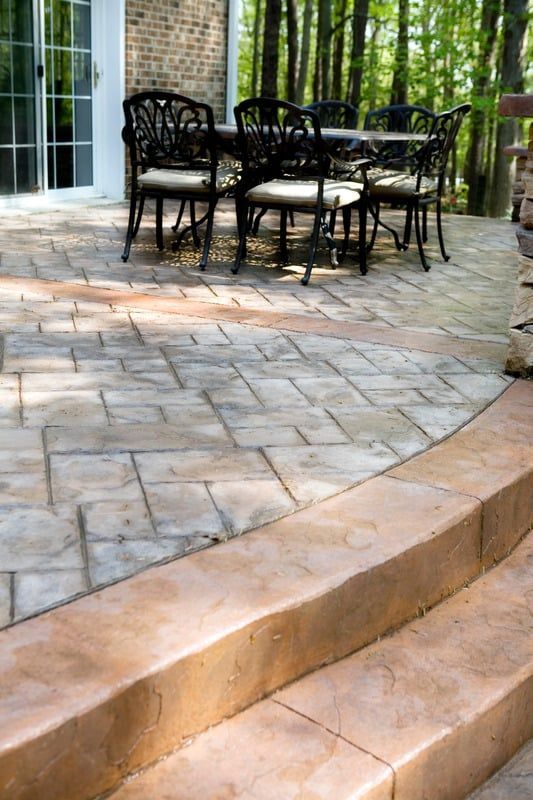
Backyards in Kentwood, Michigan are transforming from simple green spaces into inviting outdoor living areas where families relax, entertain, and enjoy the beauty of the seasons. One of the most popular upgrades for these outdoor spaces is a concrete patio . With advances in stamped and decorative concrete designs , homeowners can create stylish, durable patios that perfectly complement their homes while offering a low-maintenance alternative to wood or stone.  Whether you’re looking to host summer barbecues, create a cozy seating area, or design a backyard oasis, concrete patios provide flexibility in both function and aesthetics. Here are some inspiring concrete patio design ideas tailored for Kentwood, Michigan homeowners. 1. Stamped Concrete for a Natural Look Many homeowners assume concrete is just plain gray, but stamped concrete can mimic the appearance of natural materials like stone, brick, or tile. This technique involves pressing patterns into the concrete before it fully cures, creating textures that replicate high-end materials at a fraction of the cost. Kentwood homes often feature traditional Michigan-style architecture, and stamped concrete can be customized to complement these designs. Popular patterns include: Cobblestone or slate for a classic, rustic feel Brick patterns for a traditional look that ties into existing walkways or house exteriors Wood plank textures for a warm, deck-like appearance Stamped concrete allows homeowners to enjoy the beauty of natural stone or brick without the maintenance issues associated with those materials, such as weeds, moss, or shifting pavers. 2. Colored Concrete for Unique Patios Adding color to concrete is an excellent way to make a patio feel personalized. Integral color is mixed into the concrete before pouring, giving the entire slab a uniform color that won’t fade quickly. Alternatively, concrete stains or dyes can be applied after the pour to create custom shades and designs. In Kentwood, homeowners might choose colors that complement their home’s exterior or landscaping, such as warm earth tones, soft grays, or rich terracotta shades. Combining color with stamped patterns can produce visually stunning results, making the patio a centerpiece of the backyard. 3. Decorative Borders and Inlays Another way to enhance a concrete patio is through decorative borders and inlays . Borders can define the edges of the patio, while inlays create focal points or accent areas within the slab. For example: Contrasting color borders around a stamped pattern Geometric inlays at the center of the patio to create visual interest Stone or tile inlays embedded within the concrete for a luxury touch These decorative elements help the patio stand out while creating a cohesive design that blends with other hardscape elements like walkways, fire pits, or garden beds. 4. Multi-Level Patios for Dynamic Outdoor Spaces For Kentwood homeowners with larger or sloped backyards, multi-level concrete patios can add dimension and interest. By creating multiple tiers or sections, homeowners can separate areas for dining, lounging, and grilling. For example, a lower level might feature a stamped concrete seating area, while an upper level accommodates a grill or outdoor kitchen. Retaining walls or low planter walls can add visual appeal and make the transitions between levels smooth and functional. Multi-level patios not only create a visually striking backyard but also maximize usable space, especially in yards with natural slopes or uneven terrain. 5. Incorporating Fire Features and Seating Concrete patios can be designed to accommodate built-in features like fire pits, seating walls, or planters . Stamped or colored concrete can extend to these features, providing a cohesive look throughout the backyard. Fire pits provide warmth and create a gathering spot during Michigan’s cooler evenings. Concrete seating walls double as retaining walls and extra seating for guests. Integrated planters allow homeowners to add greenery without taking up extra space. By combining these elements, Kentwood homeowners can transform a basic patio into a complete outdoor living area perfect for entertaining or relaxing with family. 6. Textured Finishes for Safety and Style Safety is an important consideration for Michigan patios, especially during rainy spring or snowy fall months. Concrete can be finished with textures that improve traction while still looking stylish. Broom-finished surfaces are common and provide natural slip resistance. Stamped textures can also incorporate patterns that prevent slipping. Exposed aggregate finishes offer a decorative, non-slip surface with small stones or pebbles embedded in the concrete. These finishes ensure that patios remain safe and functional, even in wet or icy conditions, while maintaining their aesthetic appeal. 7. Blending Patios with Landscaping A well-designed concrete patio should blend seamlessly with the surrounding landscape. In Kentwood, this might include: Garden beds or flowering shrubs bordering the patio Lawn and pathways that connect the patio to other areas of the yard Pergolas, trellises, or shade structures for a comfortable outdoor experience Concrete’s versatility allows it to integrate with these elements effortlessly. Curved edges, flowing patterns, and color coordination can make the patio feel like a natural extension of the home’s exterior. 8. Maintenance-Friendly Design Concrete patios are not only beautiful—they’re practical. Properly installed stamped or colored concrete requires minimal maintenance. Routine cleaning with a hose or pressure washer, occasional sealing, and seasonal care can keep the patio looking new for years. This low-maintenance aspect makes concrete particularly appealing for busy Kentwood families who want attractive outdoor spaces without constant upkeep. Conclusion For homeowners in Kentwood, Michigan, a concrete patio is more than just a flat outdoor surface—it’s an opportunity to expand living space, enhance backyard aesthetics, and create a functional, enjoyable area for family and friends. With options like stamped patterns, colored concrete, decorative borders, multi-level designs, integrated fire features, and textured finishes, the possibilities are virtually endless. A professionally installed concrete patio can transform any backyard into a personalized retreat while standing up to Michigan’s seasonal challenges. Whether you’re imagining a sleek modern patio, a rustic stone-like gathering area, or a multi-level entertainment hub, concrete offers the durability, versatility, and style to make your backyard vision a reality. For Kentwood homeowners seeking lasting beauty and functionality, investing in a concrete patio is a smart choice that delivers both visual appeal and practical benefits for years to come.
January 22, 2026
Michigan winters are famously harsh, and homeowners in Kentwood, MI know that cold temperatures, snow, and ice can take a toll on outdoor surfaces. Among the most impacted areas are concrete driveways. While concrete is known for its durability, winter weather presents unique challenges that can affect the longevity, appearance, and safety of driveways. Understanding these effects can help Kentwood homeowners protect their investment and maintain a driveway that lasts for decades. The Freeze-Thaw Cycle and Concrete One of the primary challenges for concrete driveways in Kentwood is th e freeze-thaw cycle. Water that seeps into small cracks or pores in the concrete can freeze when temperatures drop below 32°F. As water freezes, it expands, putting pressure on the surrounding concrete. When the ice thaws, it leaves tiny gaps behind, which can lead to cracking, spalling, and surface deterioration over time. This cycle repeats throughout the winter months, particularly during Michigan’s fluctuating temperatures in January and February. Over time, even well-installed driveways can develop minor cracks if proper precautions aren’t taken during installation or maintenance. Salt and Deicing Chemicals To keep driveways safe from ice, many Kentwood homeowners rely on salt and chemical deicers. While effective at preventing slips, these substances can have a damaging effect on concrete. Salt penetrates the surface and accelerates wear, especially on concrete that hasn’t been properly sealed. Over time, this can cause surface scaling, rough patches, and discoloration. Mike, a local Kentwood concrete contractor, advises homeowners to use deicers sparingly an d choose ones that are concrete-safe. He also recommends sealing driveways before winter to create a protective barrier against moisture and salt penetration. Snow and Ice Removal Practices The methods used to remove snow and ice can also impact the longevity of a driveway. Using metal shovels or heavy-duty snow blowers can scratch or chip the concrete surface. It’s important for Kentwood homeowners to use plastic shovels, rubber-tipped tools, or push-style snow removers when clearing snow from their driveways. Mechanical damage combined with the natural expansion and contraction from freezing and thawing can exacerbate wear and tear. Even small scratches can allow water to seep deeper into the concrete, increasing the risk of cracks forming. Temperature Considerations for Driveway Installation For Kentwood homeowners planning a new concrete driveway, winter conditions are an important factor. Concrete should ideally be poured in temperatures above freezing to allow proper curing. Pouring concrete in cold weather without proper precautions can lead to weak spots, delayed curing, or even surface scaling once the first freeze occurs. Professional contractors often use special techniques during colder months, such as heated blankets, additives, or controlled curing environments, to ensure the concrete gains full strength before facing Michigan’s winter conditions. Maintenance Tips for Winter While concrete driveways are built to last, winter maintenance can significantly extend their life. Kentwood homeowners should: Seal the driveway annually or every few years to prevent water infiltration. Remove snow promptly using safe tools that won’t damage the surface. Use concrete-safe deicers to protect the surface from chemical damage. Inspect for cracks early and repair minor issues before they expand. Taking these simple steps helps minimize the impact of freeze-thaw cycles, salt, and ice, keeping driveways functional and visually appealing.  Michigan winters are challenging for all outdoor surfaces, and concrete driveways in Kentwood are no exception. The combination of freezing temperatures, snow, ice, and road salts can cause cracking, scaling, and surface wear if not addressed properly. However, with proper installation, protective sealing, and careful winter maintenance, concrete driveways can withstand Michigan’s harsh winters and continue to provide a durable, low-maintenance surface for years to come. Homeowners who understand the effects of winter weather and take proactive measures can enjoy safe, attractive driveways that survive Michigan’s seasonal extremes without frequent repairs.
January 14, 2026
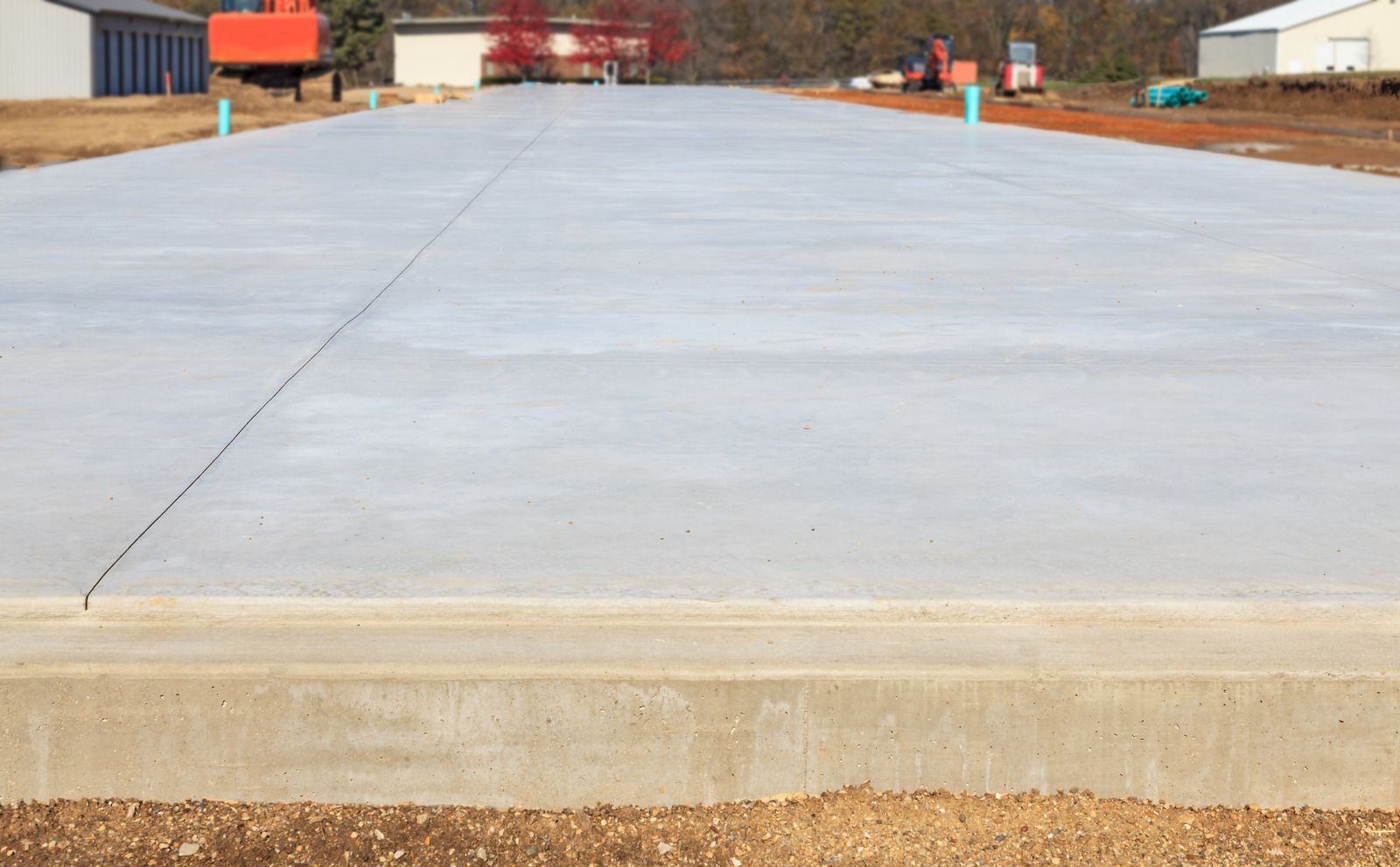
When homeowners start planning outdoor improvements, one of the most common terms they hear is concrete flatwork . While it may sound technical at first, flatwork simply refers to many of the everyday concrete surfaces people rely on around their homes and properties. From driveways and patios to sidewalks and garage slabs, flatwork plays a major role in both the appearance and functionality of residential properties. For homeowners in Kentwood, Michigan, understanding the basics of concrete flatwork can make it easier to plan projects, choose the right contractor, and invest in improvements that last. Mike, a local concrete contractor serving the Kentwood area, often explains flatwork to customers as the foundation of many outdoor spaces. “Most of the concrete people see around their homes is considered flatwork,” Mike says. “It’s anything poured on a horizontal surface that creates a smooth, level area you can walk, drive, or place furniture on.” Let’s take a closer look at what concrete flatwork includes and why it’s such an important part of residential construction in Kentwood. Understanding Concrete Flatwork Concrete flatwork refers to horizontal concrete surfaces that are poured, leveled, and finished to create durable, functional spaces. Unlike structural concrete used in foundations or walls, flatwork focuses on surfaces designed for everyday use. Some of the most common types of concrete flatwork include: Concrete driveways Patios and outdoor living spaces Sidewalks and walkways Garage and shed slabs Concrete pads for equipment or HVAC units These surfaces are typically poured on prepared ground, reinforced for strength, and finished to create a smooth or textured surface depending on the intended use. In residential areas throughout Kentwood, flatwork helps define how homeowners move around their property, park vehicles, and enjoy outdoor spaces. Why Flatwork Is So Important for Homes Flatwork isn’t just about appearance — it’s about function and durability. When installed correctly, concrete flatwork provides stable surfaces that hold up to daily use and changing weather conditions. For example, a properly installed concrete driveway must support the weight of vehicles while resisting cracking and shifting. A patio needs to remain level and drain properly to prevent water pooling after rain. Sidewalks must be safe to walk on year-round, even during Michigan’s freeze-thaw cycles. According to Mike, preparation is what separates long-lasting concrete from surfaces that develop problems early. “A lot of people think concrete is just poured and left to dry,” he explains. “But the real work happens before the concrete even arrives. The base preparation, grading, and reinforcement all play a huge role in how the finished surface performs.” The Basic Process of Concrete Flatwork Installation Although every project is different, most flatwork installations follow a similar process. Understanding these steps helps homeowners appreciate why professional installation matters. 1. Site Preparation The first step is preparing the ground where the concrete will be poured. Contractors remove grass, debris, and loose soil before grading the area to ensure proper drainage. A compacted gravel base is usually added to provide stability and prevent shifting over time. Proper base preparation is especially important in Kentwood, where seasonal temperature changes can cause soil to expand and contract. 2. Forming the Shape Next, wooden or metal forms are placed around the perimeter of the project area. These forms create the boundaries for the concrete and determine the final shape and thickness of the slab. Whether the project is a driveway, patio, or walkway, the forms help ensure straight edges and consistent dimensions. 3. Reinforcement Many concrete flatwork projects include reinforcement materials such as steel rebar or wire mesh. These materials strengthen the slab and help reduce the risk of cracking as the concrete cures and settles. Reinforcement is particularly helpful for driveways and garage floors that must support heavy loads. 4. Pouring and Leveling the Concrete Once the preparation is complete, the concrete is poured into the forms and spread evenly across the area. Contractors use specialized tools to level the surface and remove air pockets that could weaken the slab. This step requires both precision and timing, since concrete begins to set fairly quickly. 5. Finishing the Surface The finishing stage determines the final appearance and texture of the concrete. Some surfaces are left with a smooth finish, while others receive a broom texture to improve traction. Decorative techniques, such as stamped patterns or colored finishes, can also be applied during this stage to enhance the look of patios and walkways. 6. Curing and Joint Placement After the finishing process, the concrete needs time to cure properly. Contractors may cut control joints into the slab to guide where natural expansion cracks occur. These joints help maintain the overall appearance and structural integrity of the concrete surface. Popular Flatwork Projects in Kentwood In Kentwood and the surrounding areas of West Michigan, homeowners frequently invest in flatwork projects that improve both convenience and outdoor living space. Concrete Driveways Driveways are one of the most common flatwork projects. A new concrete driveway not only improves curb appeal but also provides a durable surface capable of handling daily vehicle traffic. Concrete Patios Many Kentwood homeowners choose concrete patios to create comfortable outdoor gathering areas. Patios can be customized in size and shape, making them ideal for everything from small seating areas to large backyard entertainment spaces. Sidewalks and Walkways Concrete walkways connect different parts of a property and improve accessibility. Well-designed sidewalks provide safe paths from the driveway to the front door or around the backyard. Garage and Shed Slabs Flatwork is also used to create stable foundations for garages, sheds, and other outdoor structures. These slabs must be carefully poured and reinforced to support the weight of the building above them. How Michigan Weather Affects Concrete Flatwork Michigan’s climate plays an important role in how concrete flatwork is designed and installed. The freeze-thaw cycles common in Kentwood can cause expansion and contraction in the ground, which places stress on concrete surfaces. That’s why experienced contractors pay close attention to base preparation, drainage, and joint placement. These factors help protect the concrete from cracking and shifting over time. Mike emphasizes that local experience makes a difference. “Working in West Michigan, you learn quickly how weather affects concrete,” he says. “When you prepare the base correctly and pour concrete at the right thickness, the finished surface will last much longer.” Maintaining Concrete Flatwork One of the advantages of concrete flatwork is that it requires relatively little maintenance. However, a few simple steps can help keep surfaces looking their best for years. Regular cleaning removes dirt and debris that can stain the surface. Sealing the concrete every few years adds an extra layer of protection against moisture, road salt, and other environmental factors. Homeowners should also keep an eye on drainage around patios and driveways to ensure water flows away from the slab rather than pooling on the surface. A Smart Investment for Kentwood Properties Concrete flatwork is one of the most practical improvements homeowners can make to their property. Whether it’s a new driveway, patio, or walkway, these surfaces provide both visual appeal and everyday functionality. Because flatwork projects involve careful planning, proper materials, and precise installation techniques, working with an experienced local contractor is essential. Professionals who understand Kentwood’s soil conditions and climate can design concrete surfaces that perform well for many years.  For homeowners looking to improve their property, concrete flatwork offers a durable, versatile solution that enhances both convenience and outdoor living space. With the right planning and professional installation, these projects can add lasting value to homes throughout the Kentwood community.
modern concrete patio
January 7, 2026
Homeowners in Kentwood, Michigan are placing more value than ever on their outdoor living spaces. Backyards are no longer just grassy areas or simple decks — they’ve become extensions of the home where families relax, entertain guests, and enjoy Michigan’s warmer months. Because of this shift, many property owners are investing in durable, low-maintenance outdoor upgrades that provide both beauty and long-term value. One improvement that continues to grow in popularity is the concrete patio. Across neighborhoods throughout Kentwood, more homeowners are discovering the advantages of professionally installed concrete patios. With modern design options, impressive durability, and the ability to withstand Michigan’s seasonal weather changes, concrete has become a practical and attractive choice for backyard living areas. Whether a homeowner wants a comfortable gathering space or a stylish outdoor entertainment area, concrete patios offer a flexible solution that fits a wide range of homes and lifestyles. A Durable Solution for Michigan’s Climate One of the main reasons concrete patios are becoming so common in Kentwood backyards is their durability. Michigan’s climate can be tough on outdoor surfaces. Freezing winters, heavy rain, humidity, and temperature swings all take a toll on materials that aren’t built to last. Concrete, when properly installed and reinforced, handles these conditions extremely well. Professional concrete contractors design patios with proper base preparation, drainage considerations, and control joints to help minimize cracking and shifting. This allows the patio to remain stable and functional through many seasonal cycles. For Kentwood homeowners who want an outdoor surface that will hold up for years without constant repairs, concrete is often the most dependable option. Unlike wood decks that may rot or require staining every few years, a well-built concrete patio can maintain its appearance and strength with minimal maintenance. A Low-Maintenance Backyard Upgrade Another reason concrete patios are gaining popularity in Kentwood is the ease of maintenance. Many homeowners want to enjoy their outdoor space without adding extra chores to their routine. Concrete patios require very little upkeep compared to other outdoor surfaces. Routine cleaning with a hose or pressure washer is usually enough to keep the surface looking fresh. Occasional sealing can help protect the concrete from moisture and stains, but this is typically only needed every few years. Because concrete doesn’t warp, splinter, or attract pests the way wood structures sometimes can, homeowners spend less time worrying about repairs and upkeep. For busy families in Kentwood who simply want a comfortable outdoor gathering space, the low-maintenance nature of concrete is a major advantage. Endless Design Possibilities Some people still think of concrete as a plain gray slab, but today’s patios can be customized in many ways. Advances in concrete finishing techniques allow homeowners to create patios that match the style of their home and landscaping. Stamped patterns can mimic the appearance of natural stone, brick, or tile while maintaining the strength of concrete. Decorative borders, custom shapes, and textured finishes can add visual interest and improve traction. Colored concrete options also allow homeowners to choose tones that complement their home’s exterior or backyard features. These design options mean that no two patios need to look the same. Whether a Kentwood homeowner prefers a modern minimalist patio or a more traditional stone-like appearance, concrete offers the flexibility to achieve that vision. Perfect for Outdoor Entertaining Backyard entertaining has become increasingly popular in Kentwood, especially during Michigan’s warm summer months. A well-designed concrete patio creates the perfect setting for barbecues, family gatherings, and relaxing evenings outdoors. Concrete patios provide a stable, level surface for outdoor furniture, grills, fire pits, and dining areas. Homeowners often expand their patios to include features like seating walls, pergolas, or outdoor kitchens. With proper planning, the patio becomes a central hub for backyard activity. Because concrete can be poured in a variety of shapes and sizes, it can also be tailored to fit the layout of each property. Some patios wrap around the back of the house, while others extend toward gardens or pools. This flexibility allows Kentwood homeowners to design outdoor spaces that truly fit their needs. Increased Property Value and Curb Appeal Investing in a concrete patio can also add value to a property. Outdoor living spaces are highly desirable for many homebuyers, especially when they are well designed and professionally installed. A clean, attractive patio can enhance the overall appearance of a backyard and make the property feel more complete. In neighborhoods throughout Kentwood, homes with inviting outdoor areas often stand out when it comes time to sell. While every real estate market is different, improvements that enhance usable living space tend to make a positive impression on potential buyers. A concrete patio offers both functional and visual appeal, making it a worthwhile investment for homeowners thinking about long-term property value. Custom Fit for Kentwood Homes Kentwood features a wide range of residential properties, from established neighborhoods with mature landscaping to newer developments with modern home designs. One reason concrete patios work so well in this area is their adaptability. Concrete can be shaped and sized to fit almost any backyard layout. Sloped yards, tight spaces, or irregular property lines can often be accommodated through careful planning and professional installation. Contractors can also design patios that connect smoothly with walkways, driveways, and existing landscaping. Because of this versatility, concrete patios work equally well for small backyard sitting areas and large entertainment spaces. Each project can be tailored to match the property’s layout and the homeowner’s vision. A Long-Lasting Investment When installed correctly, a concrete patio can last for decades. The longevity of concrete makes it one of the most cost-effective outdoor improvements a homeowner can make. While other materials may need frequent repairs or replacement, concrete holds up well over time. This durability reduces long-term costs and allows homeowners to enjoy their backyard improvements without worrying about constant maintenance or structural issues. In Kentwood, where seasonal weather can be demanding, investing in durable materials is especially important. A professionally installed concrete patio offers peace of mind along with lasting beauty and functionality. Working With a Local Concrete Contractor Installing a concrete patio involves more than simply pouring concrete. Proper grading, drainage, reinforcement, and finishing techniques all play a role in ensuring the final result is both attractive and long-lasting. Working with an experienced local concrete contractor helps ensure the project is completed correctly. Contractors familiar with Kentwood and the surrounding West Michigan area understand the soil conditions, weather patterns, and building considerations that can affect outdoor concrete installations. Local expertise can make a significant difference in the durability and performance of a patio over time. Transforming Your Backyard Space For many homeowners in Kentwood, adding a concrete patio is the first step toward creating a backyard they truly enjoy. Whether it’s a quiet space for morning coffee, a gathering spot for friends and family, or a foundation for future outdoor upgrades, a well-built patio can transform how a backyard is used. With durability, customization options, and minimal maintenance requirements, it’s easy to see why more homeowners in Kentwood are choosing concrete patios for their outdoor living spaces. When thoughtfully designed and professionally installed, a concrete patio can provide years of enjoyment while enhancing the beauty and functionality of the home.  For anyone considering an outdoor improvement project, a concrete patio remains one of the most practical and rewarding upgrades available for Kentwood properties.