Everything Homeowners Should Know Before Installing a Concrete Patio
Concrete patios are one of the most popular outdoor upgrades for homeowners in Kentwood and the greater Grand Rapids area. They provide a durable, attractive space for relaxing, entertaining guests, or simply enjoying Michigan’s warmer months. Compared to wooden decks or loose pavers, a well-installed concrete patio offers long-term strength with relatively low maintenance.
However, installing a patio is more than simply pouring concrete in the backyard. Michigan’s climate, soil conditions, drainage requirements, and seasonal freeze–thaw cycles all play a role in how a patio should be designed and built. For homeowners considering this upgrade, understanding the key components of a successful concrete patio can help ensure the project lasts for decades rather than just a few years.
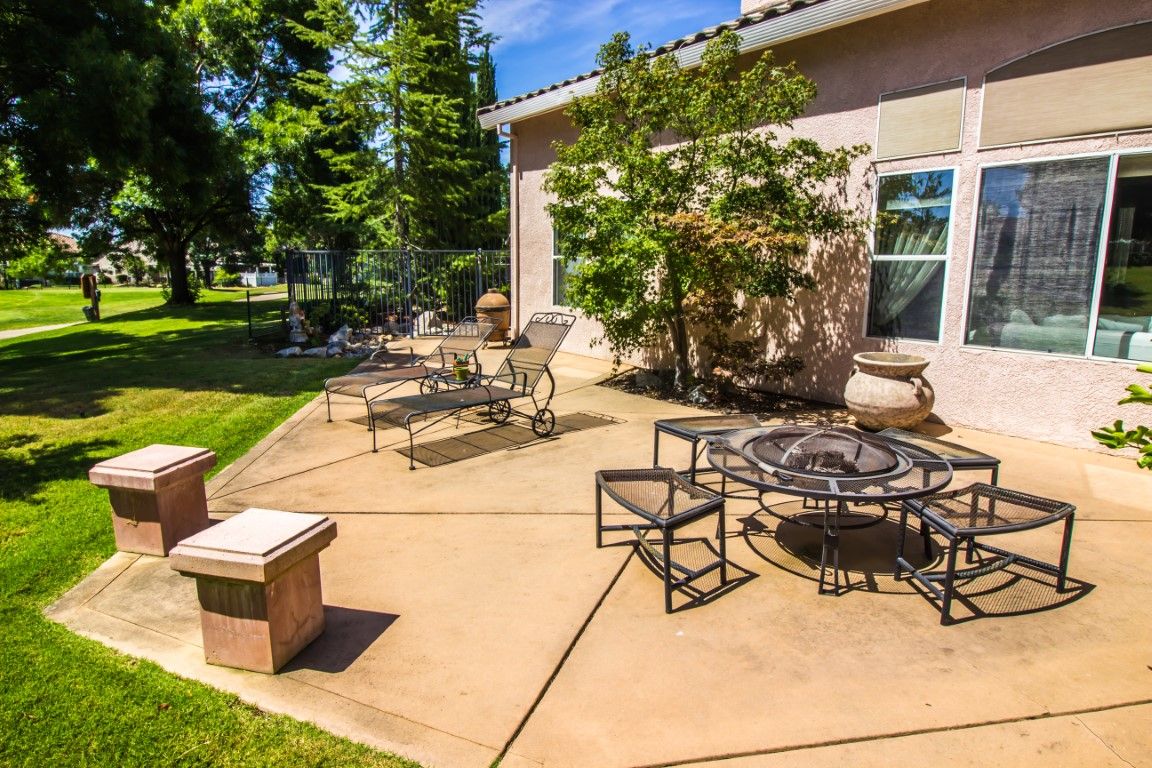
One of the first considerations when planning a concrete patio is the layout and placement within the yard. Many Kentwood homeowners choose to place patios directly behind the home for easy access from sliding doors or kitchen entrances. This creates a natural extension of the indoor living space. The patio should be sized to accommodate the activities you plan to use it for. A small patio might be sufficient for a grill and seating area, while larger patios can include dining tables, fire pits, or outdoor kitchens.
Location also affects drainage. West Michigan experiences frequent rain and snow, so patios must be positioned and graded correctly to prevent water from collecting near the home’s foundation. A properly installed patio typically slopes slightly away from the house to direct water runoff toward the yard. Even a small slope—often around one eighth inch per foot—can make a big difference in preventing standing water.
Another critical factor is excavation and base preparation. What lies beneath the concrete is just as important as the surface itself. In Kentwood and surrounding areas, soil conditions often include clay or compacted earth, which can shift when moisture levels change. To prevent future settling or cracking, contractors typically excavate several inches below the final patio height and install a compacted gravel or crushed stone base. This base layer improves drainage and distributes weight evenly across the slab.
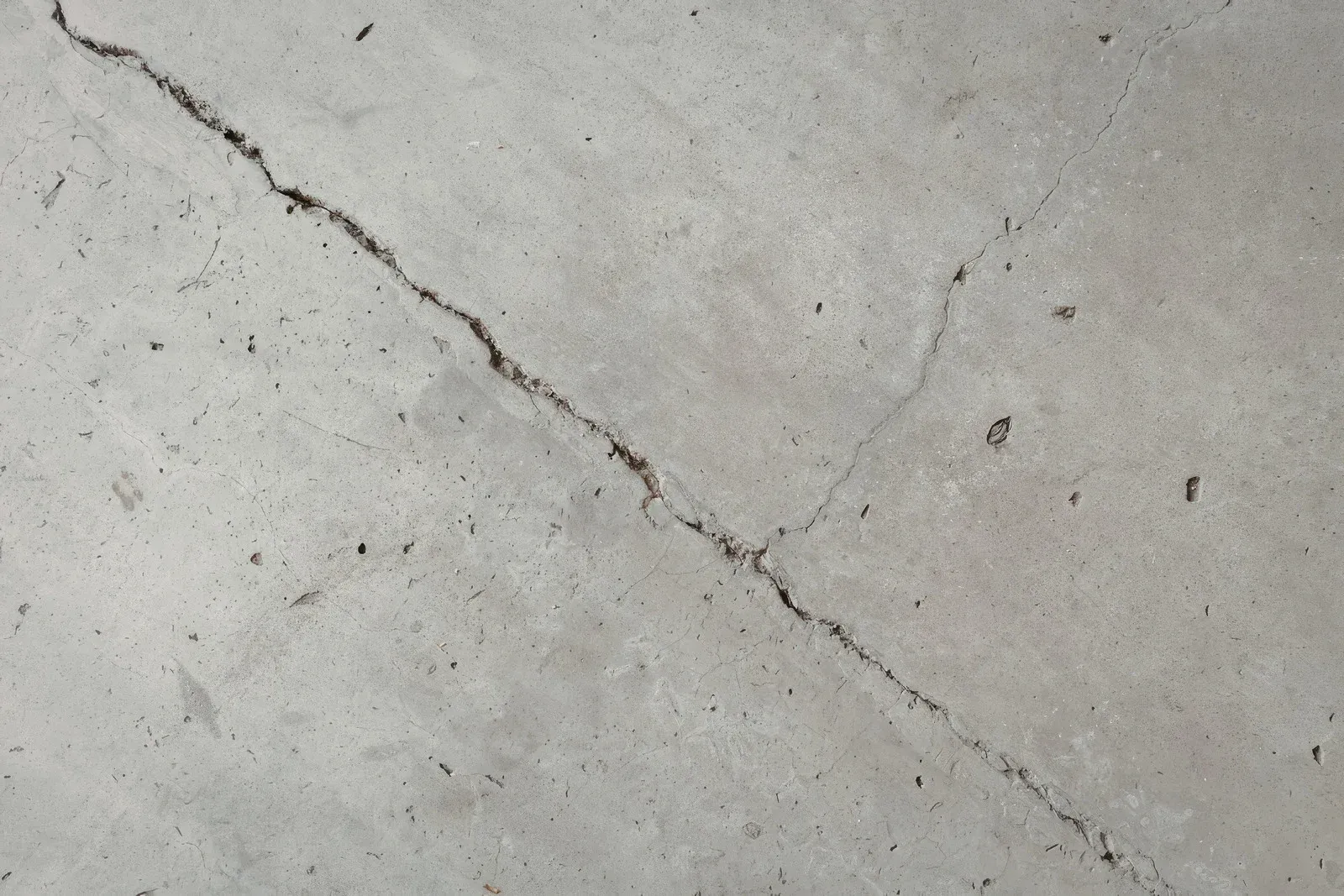
For patios in Michigan, proper excavation is especially important because of freeze–thaw cycles. When moisture in the ground freezes, it expands and can push concrete upward. As temperatures warm, the ground contracts again. Without a solid base and adequate depth, this movement can cause cracking or uneven slabs over time. Many professional installations in the region include a compacted aggregate base of several inches to stabilize the patio and reduce frost-related movement.
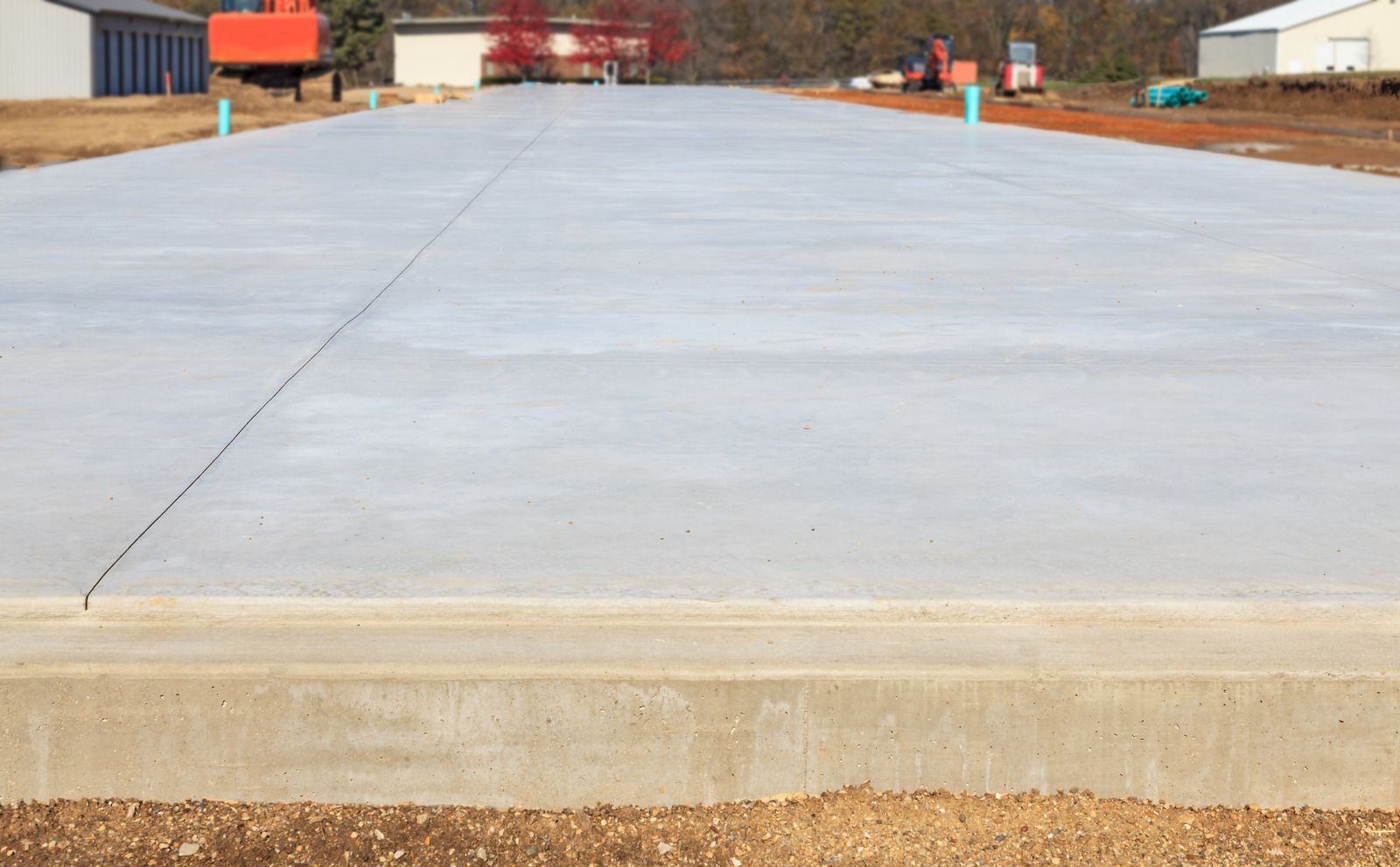
The thickness of the concrete slab itself also plays a role in durability. Most residential patios are poured at about four inches thick, which is generally strong enough to support typical outdoor furniture and foot traffic. In situations where heavier features are planned—such as hot tubs, outdoor kitchens, or masonry fire pits—contractors may recommend thicker concrete or additional reinforcement.
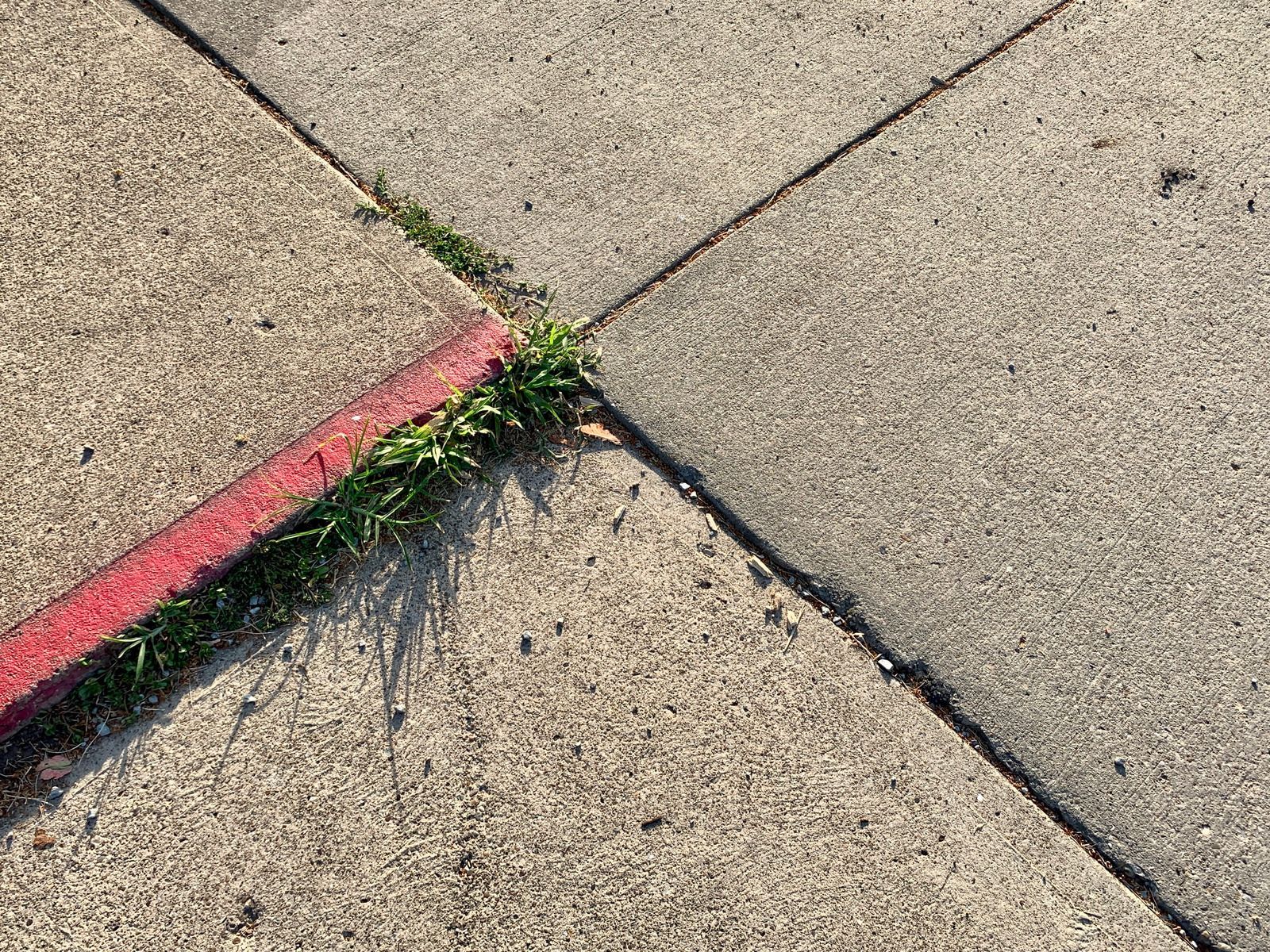
Reinforcement is another detail that homeowners should understand before installing a patio. While concrete is strong in compression, it is more vulnerable to cracking under tension. Reinforcement materials such as steel mesh, rebar, or fiber additives help strengthen the slab and reduce the likelihood of significant cracking. Control joints are also cut into the surface during installation. These joints create predetermined points where the concrete can crack in a controlled manner as it expands and contracts with temperature changes.
Climate plays a unique role in concrete installation throughout West Michigan. Spring, summer, and early fall are typically the best times to pour patios because temperatures are moderate and the ground is not frozen. Concrete should not be poured on frozen soil, as thawing ground can cause the slab to settle unevenly after installation. Proper curing is also important during cooler weather to allow the concrete to gain strength gradually.
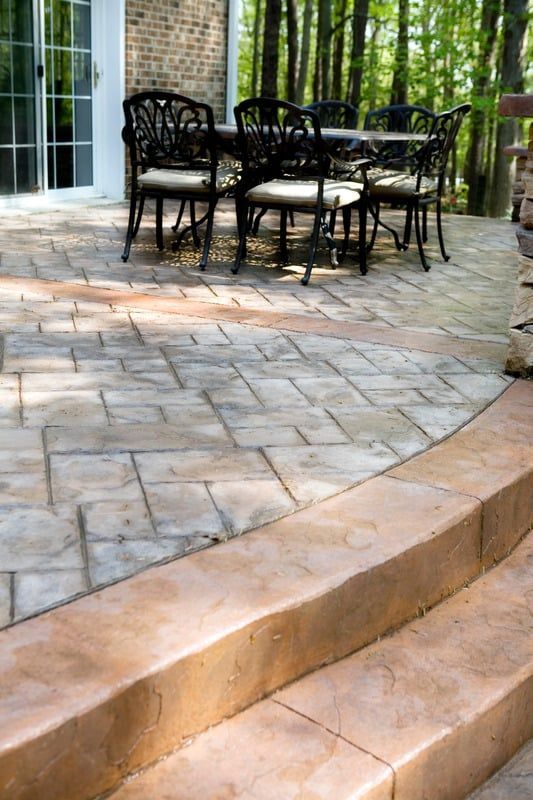
Beyond the structural elements, homeowners also have many design options available when installing a concrete patio. Traditional gray concrete remains popular because of its simplicity and durability, but decorative options have expanded significantly in recent years. Stamped concrete can mimic the appearance of brick, natural stone, slate, or wood planks, creating a high-end look without the cost of those materials. Colored concrete can also be used to match the exterior of the home or blend with landscaping features.
Decorative borders, patterns, and textured finishes are additional ways to customize a patio. Some homeowners incorporate contrasting colors along the edges or combine stamped sections with smooth walkways to create visual interest. These design features can elevate a simple patio into a centerpiece of the backyard.
Another important aspect of patio planning is how the space integrates with the rest of the landscape. In Kentwood neighborhoods where yards often include lawns, gardens, and fences, patios should connect naturally with surrounding elements. Walkways, steps, or small retaining walls can help create smooth transitions between the patio and other outdoor areas.
Shade and comfort are also factors to consider during the design phase. While Michigan summers are generally mild compared to southern states, direct sunlight can still make patios uncomfortable during hot afternoons. Many homeowners add pergolas, umbrellas, or shade sails to make the space more enjoyable throughout the day. Landscaping elements like trees or tall shrubs can also provide natural shade and privacy.
Maintenance is another topic homeowners should think about before installing a patio. One advantage of concrete is that it requires relatively little upkeep compared to wood decks or other materials. Regular cleaning with a hose or pressure washer helps remove dirt and debris. Sealing the surface every few years can also protect decorative finishes and prevent moisture from penetrating the concrete.
In winter, care should be taken when removing snow or ice. Certain deicing salts can accelerate surface damage or scaling. Sand or traction materials are often recommended as a safer alternative during icy conditions. With proper maintenance, a concrete patio can last 25 years or longer while maintaining its appearance and structural integrity.
Cost is naturally another factor that homeowners consider when planning a patio installation. The final price depends on several variables, including patio size, site preparation requirements, decorative features, and accessibility of the work area. Larger patios with stamped or colored concrete typically cost more than standard slabs, but they can also add significant visual appeal and property value.
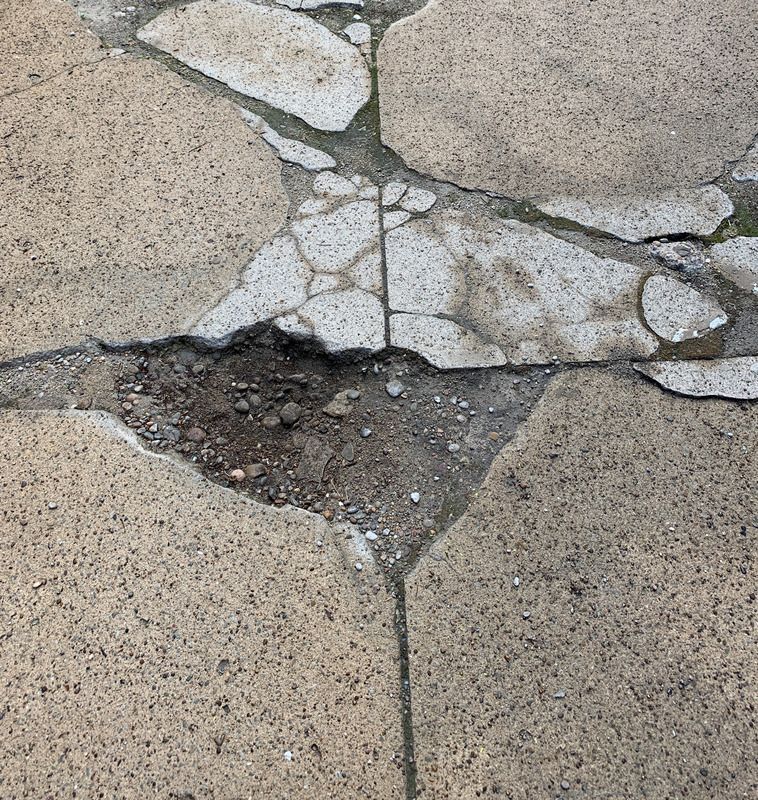
It’s also worth noting that cutting corners during installation can lead to costly problems later. Inadequate base preparation, poor drainage design, or thin concrete slabs may initially reduce costs, but they often result in cracking, settling, or premature failure. Investing in quality materials and proper installation techniques is usually the most cost-effective approach over the life of the patio.
For homeowners in Kentwood and nearby Grand Rapids communities, a concrete patio offers a practical way to enhance outdoor living space while increasing the overall value of the property. With the right planning, design, and installation methods, a patio can serve as a long-lasting gathering place for family barbecues, summer evenings, and weekend relaxation.
Before starting the project, it’s helpful to think through how the patio will be used, how it will connect with the home and landscape, and what features will make it most enjoyable. Understanding the structural components—such as excavation depth, base preparation, drainage, reinforcement, and proper curing—can also help homeowners make informed decisions about their installation.
When all these elements come together, a well-built concrete patio can withstand the challenges of Michigan’s climate while providing a beautiful and functional outdoor space for many years to come. For Kentwood homeowners looking to upgrade their backyard, investing in a thoughtfully designed concrete patio is one of the most reliable ways to expand their home’s living space and enjoy the outdoors throughout the seasons.