What Is Concrete Flatwork? A Kentwood Contractor Explains the Basics
When homeowners start planning outdoor improvements, one of the most common terms they hear is concrete flatwork. While it may sound technical at first, flatwork simply refers to many of the everyday concrete surfaces people rely on around their homes and properties. From driveways and patios to sidewalks and garage slabs, flatwork plays a major role in both the appearance and functionality of residential properties.
For homeowners in Kentwood, Michigan, understanding the basics of concrete flatwork can make it easier to plan projects, choose the right contractor, and invest in improvements that last. Mike, a local concrete contractor serving the Kentwood area, often explains flatwork to customers as the foundation of many outdoor spaces.
“Most of the concrete people see around their homes is considered flatwork,” Mike says. “It’s anything poured on a horizontal surface that creates a smooth, level area you can walk, drive, or place furniture on.”
Let’s take a closer look at what concrete flatwork includes and why it’s such an important part of residential construction in Kentwood.
Understanding Concrete Flatwork
Concrete flatwork refers to horizontal concrete surfaces that are poured, leveled, and finished to create durable, functional spaces. Unlike structural concrete used in foundations or walls, flatwork focuses on surfaces designed for everyday use.
Some of the most common types of concrete flatwork include:
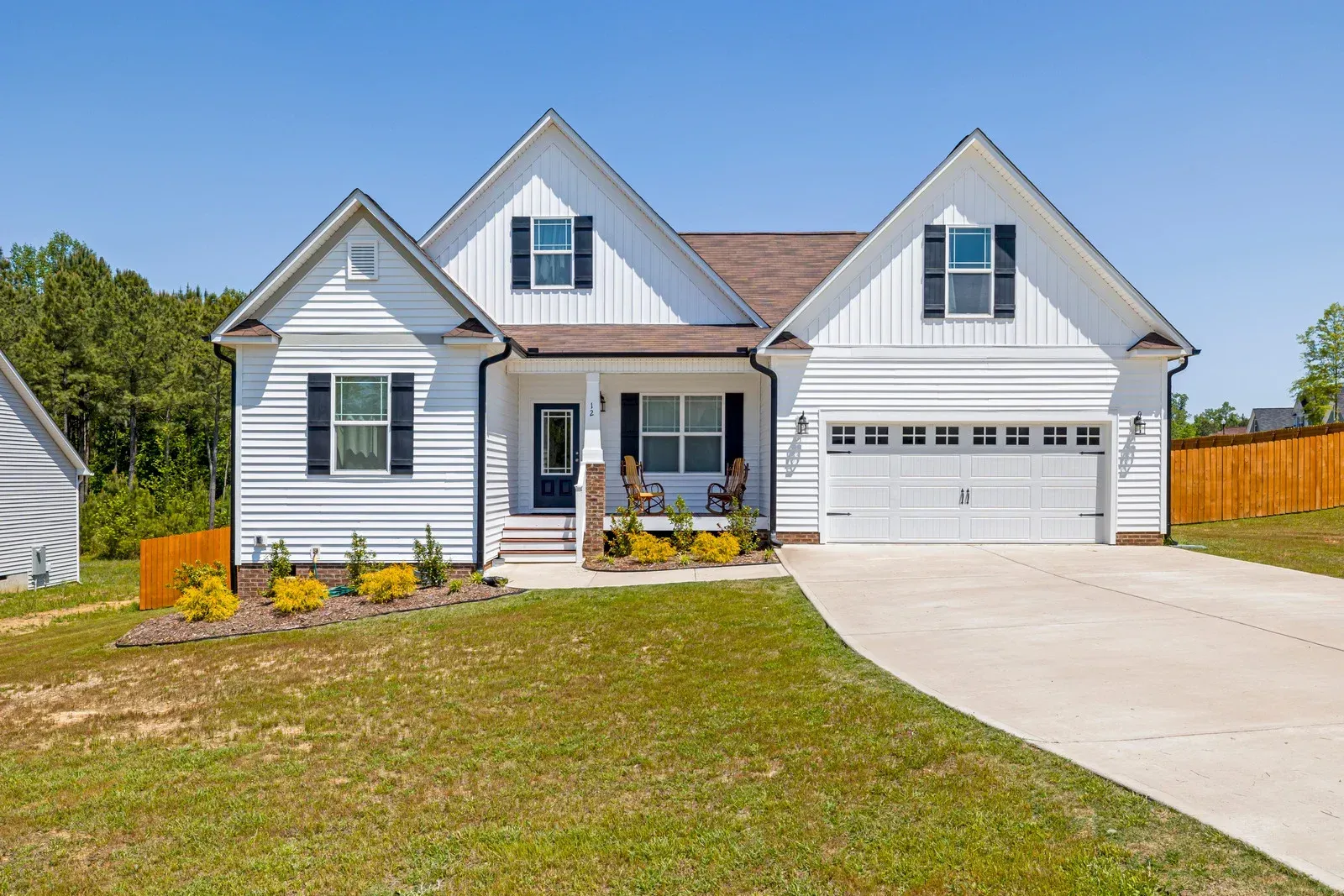
- Concrete driveways
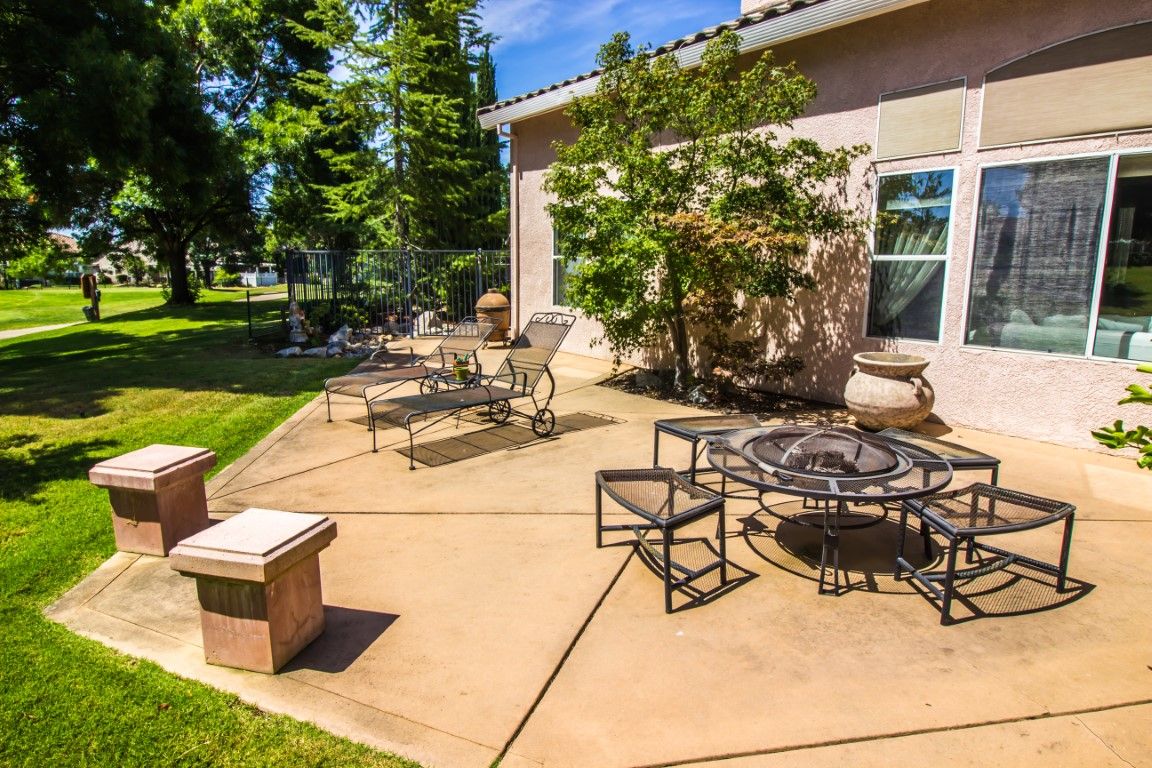
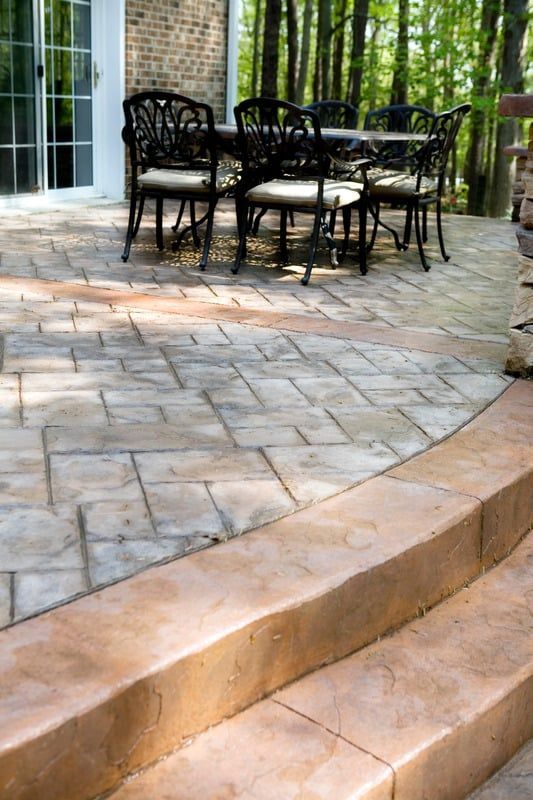
- Patios and outdoor living spaces
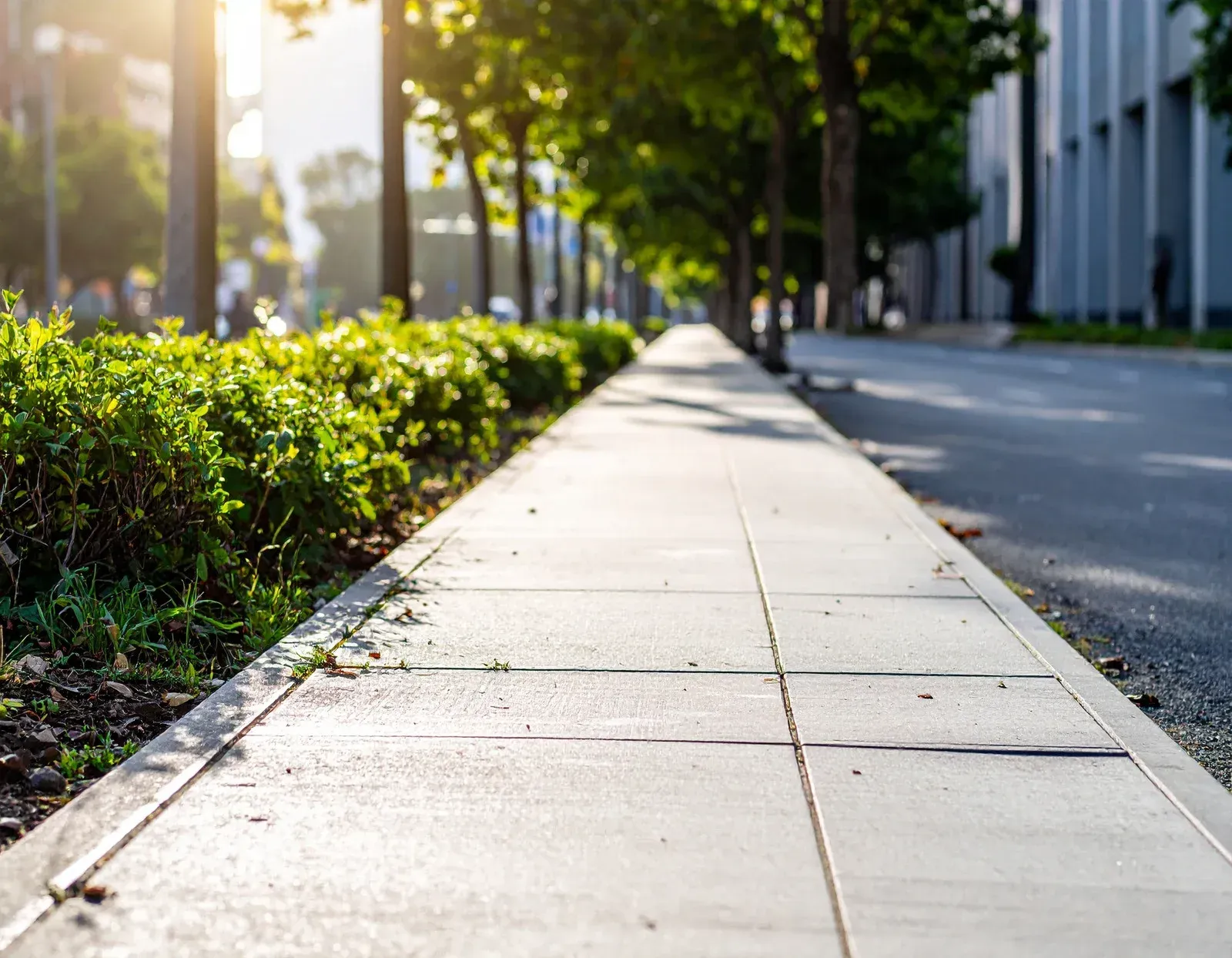
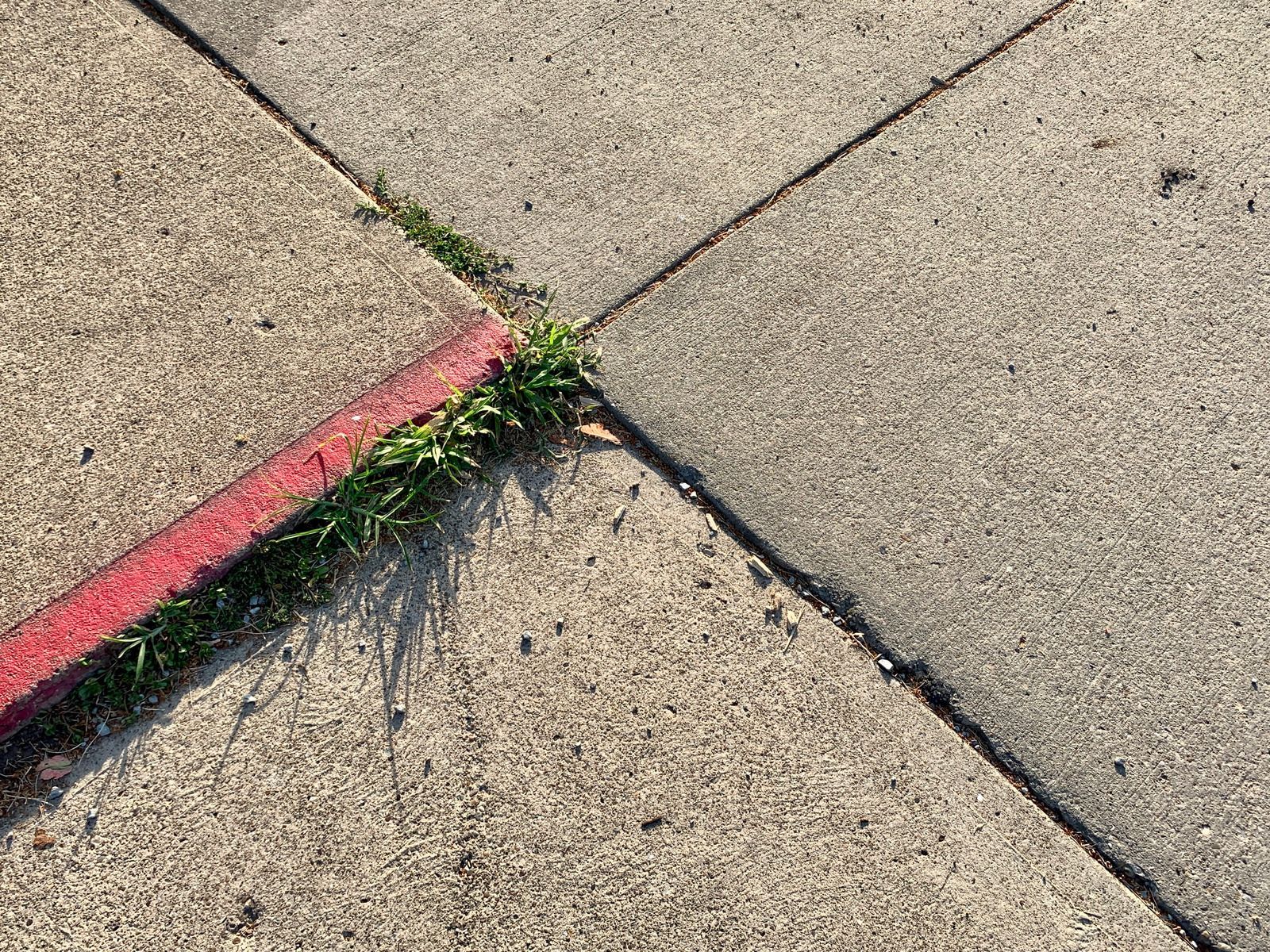
- Sidewalks and walkways
- Garage and shed slabs
- Concrete pads for equipment or HVAC units
These surfaces are typically poured on prepared ground, reinforced for strength, and finished to create a smooth or textured surface depending on the intended use.
In residential areas throughout Kentwood, flatwork helps define how homeowners move around their property, park vehicles, and enjoy outdoor spaces.
Why Flatwork Is So Important for Homes
Flatwork isn’t just about appearance — it’s about function and durability. When installed correctly, concrete flatwork provides stable surfaces that hold up to daily use and changing weather conditions.
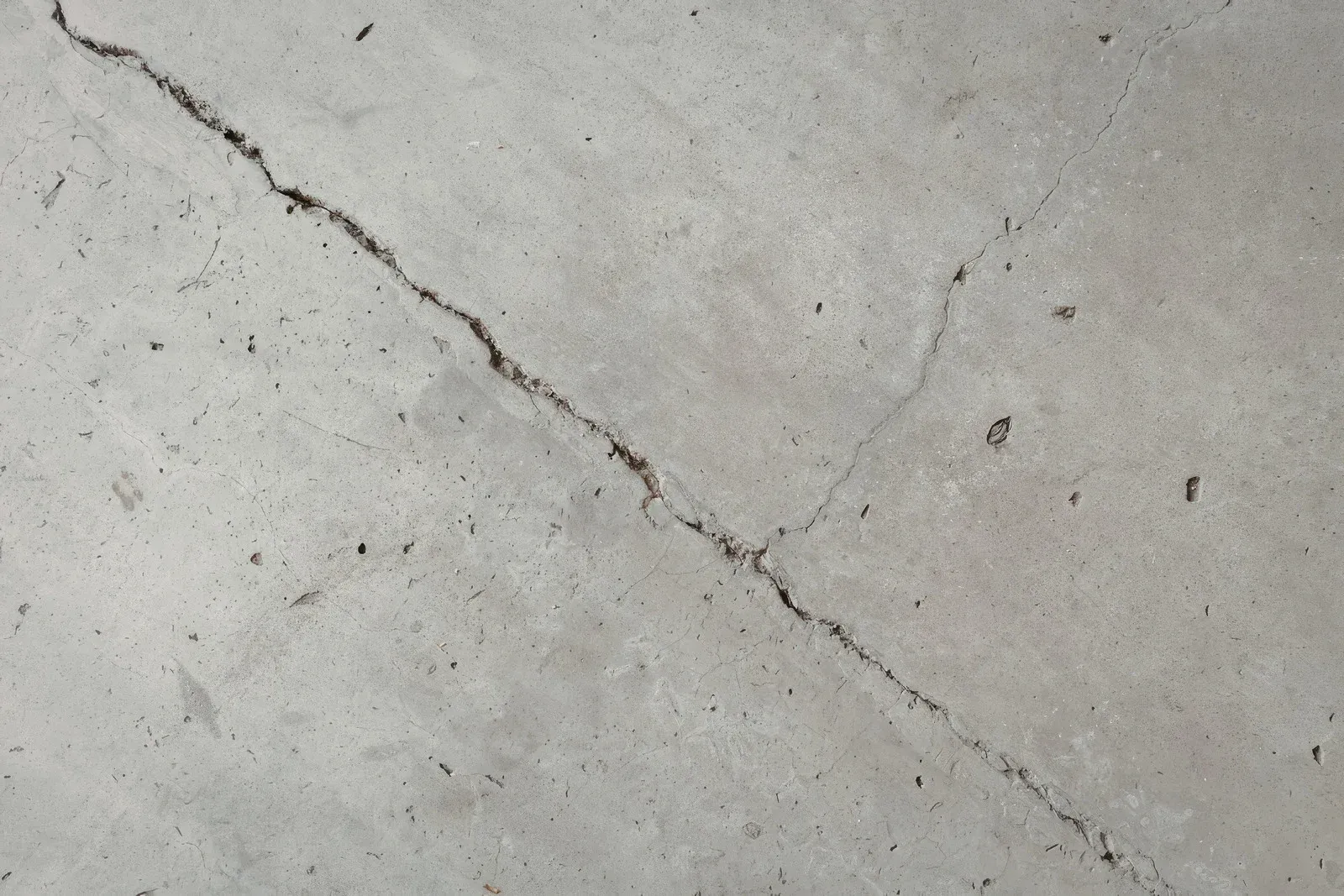
For example, a properly installed concrete driveway must support the weight of vehicles while resisting cracking and shifting. A patio needs to remain level and drain properly to prevent water pooling after rain. Sidewalks must be safe to walk on year-round, even during Michigan’s freeze-thaw cycles.
According to Mike, preparation is what separates long-lasting concrete from surfaces that develop problems early.
“A lot of people think concrete is just poured and left to dry,” he explains. “But the real work happens before the concrete even arrives. The base preparation, grading, and reinforcement all play a huge role in how the finished surface performs.”
The Basic Process of Concrete Flatwork Installation
Although every project is different, most flatwork installations follow a similar process. Understanding these steps helps homeowners appreciate why professional installation matters.
1. Site Preparation
The first step is preparing the ground where the concrete will be poured. Contractors remove grass, debris, and loose soil before grading the area to ensure proper drainage. A compacted gravel base is usually added to provide stability and prevent shifting over time.
Proper base preparation is especially important in Kentwood, where seasonal temperature changes can cause soil to expand and contract.
2. Forming the Shape
Next, wooden or metal forms are placed around the perimeter of the project area. These forms create the boundaries for the concrete and determine the final shape and thickness of the slab.
Whether the project is a driveway, patio, or walkway, the forms help ensure straight edges and consistent dimensions.
3. Reinforcement
Many concrete flatwork projects include reinforcement materials such as steel rebar or wire mesh. These materials strengthen the slab and help reduce the risk of cracking as the concrete cures and settles.
Reinforcement is particularly helpful for driveways and garage floors that must support heavy loads.
4. Pouring and Leveling the Concrete
Once the preparation is complete, the concrete is poured into the forms and spread evenly across the area. Contractors use specialized tools to level the surface and remove air pockets that could weaken the slab.
This step requires both precision and timing, since concrete begins to set fairly quickly.
5. Finishing the Surface
The finishing stage determines the final appearance and texture of the concrete. Some surfaces are left with a smooth finish, while others receive a broom texture to improve traction.
Decorative techniques, such as stamped patterns or colored finishes, can also be applied during this stage to enhance the look of patios and walkways.
6. Curing and Joint Placement
After the finishing process, the concrete needs time to cure properly. Contractors may cut control joints into the slab to guide where natural expansion cracks occur. These joints help maintain the overall appearance and structural integrity of the concrete surface.
Popular Flatwork Projects in Kentwood
In Kentwood and the surrounding areas of West Michigan, homeowners frequently invest in flatwork projects that improve both convenience and outdoor living space.
Concrete Driveways
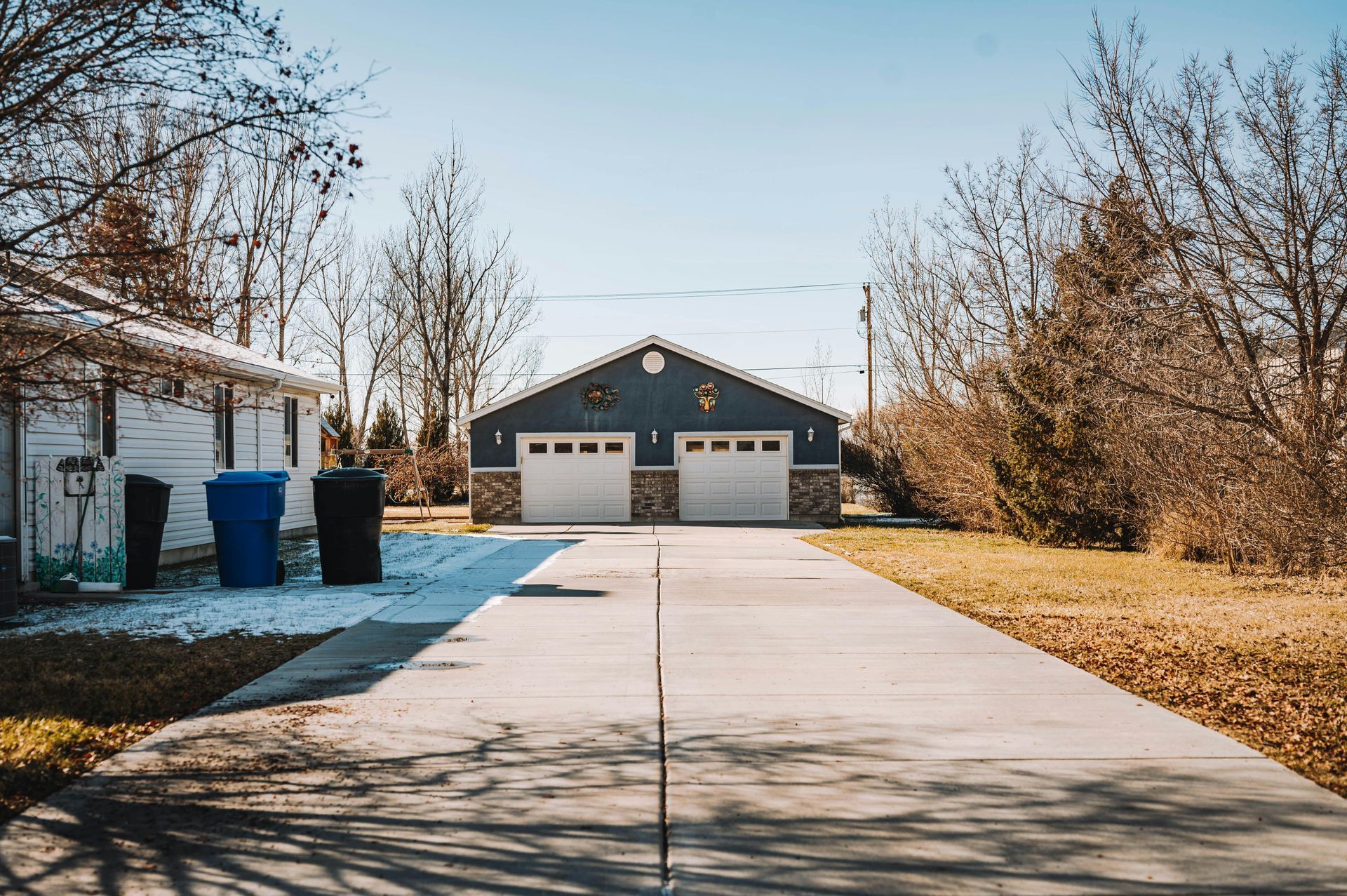
Driveways are one of the most common flatwork projects. A new concrete driveway not only improves curb appeal but also provides a durable surface capable of handling daily vehicle traffic.
Concrete Patios
Many Kentwood homeowners choose concrete patios to create comfortable outdoor gathering areas. Patios can be customized in size and shape, making them ideal for everything from small seating areas to large backyard entertainment spaces.
Sidewalks and Walkways
Concrete walkways connect different parts of a property and improve accessibility. Well-designed sidewalks provide safe paths from the driveway to the front door or around the backyard.
Garage and Shed Slabs
Flatwork is also used to create stable foundations for garages, sheds, and other outdoor structures. These slabs must be carefully poured and reinforced to support the weight of the building above them.
How Michigan Weather Affects Concrete Flatwork
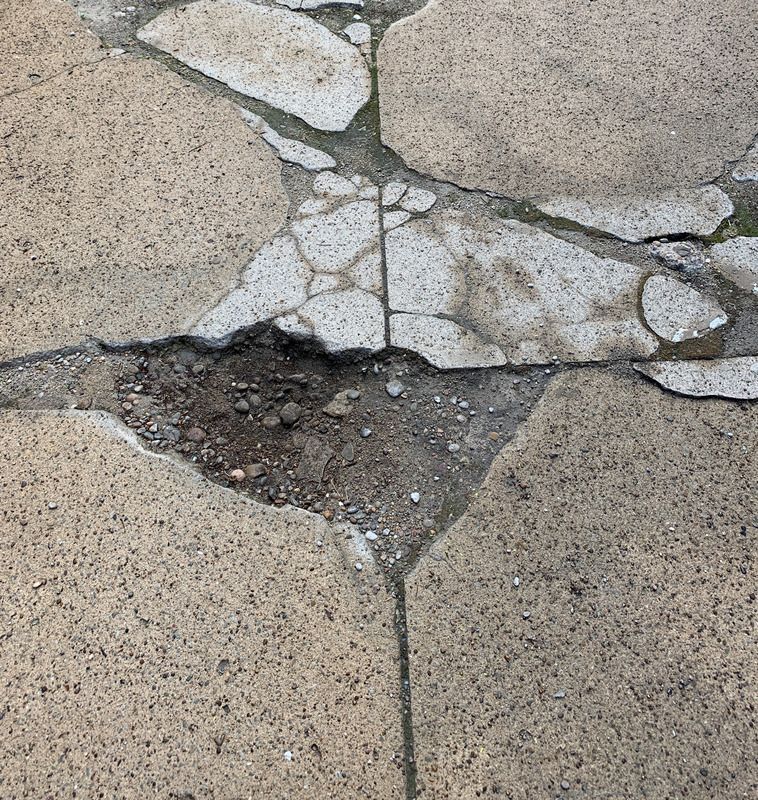
Michigan’s climate plays an important role in how concrete flatwork is designed and installed. The freeze-thaw cycles common in Kentwood can cause expansion and contraction in the ground, which places stress on concrete surfaces.
That’s why experienced contractors pay close attention to base preparation, drainage, and joint placement. These factors help protect the concrete from cracking and shifting over time.
Mike emphasizes that local experience makes a difference.
“Working in West Michigan, you learn quickly how weather affects concrete,” he says. “When you prepare the base correctly and pour concrete at the right thickness, the finished surface will last much longer.”
Maintaining Concrete Flatwork
One of the advantages of concrete flatwork is that it requires relatively little maintenance. However, a few simple steps can help keep surfaces looking their best for years.
Regular cleaning removes dirt and debris that can stain the surface. Sealing the concrete every few years adds an extra layer of protection against moisture, road salt, and other environmental factors.
Homeowners should also keep an eye on drainage around patios and driveways to ensure water flows away from the slab rather than pooling on the surface.
A Smart Investment for Kentwood Properties
Concrete flatwork is one of the most practical improvements homeowners can make to their property. Whether it’s a new driveway, patio, or walkway, these surfaces provide both visual appeal and everyday functionality.
Because flatwork projects involve careful planning, proper materials, and precise installation techniques, working with an experienced local contractor is essential. Professionals who understand Kentwood’s soil conditions and climate can design concrete surfaces that perform well for many years.
For homeowners looking to improve their property, concrete flatwork offers a durable, versatile solution that enhances both convenience and outdoor living space. With the right planning and professional installation, these projects can add lasting value to homes throughout the Kentwood community.