How Michigan Winters Affect Concrete Driveways
Michigan winters are famously harsh, and homeowners in Kentwood, MI know that cold temperatures, snow, and ice can take a toll on outdoor surfaces. Among the most impacted areas are concrete driveways. While concrete is known for its durability, winter weather presents unique challenges that can affect the longevity, appearance, and safety of driveways. Understanding these effects can help Kentwood homeowners protect their investment and maintain a driveway that lasts for decades.
The Freeze-Thaw Cycle and Concrete
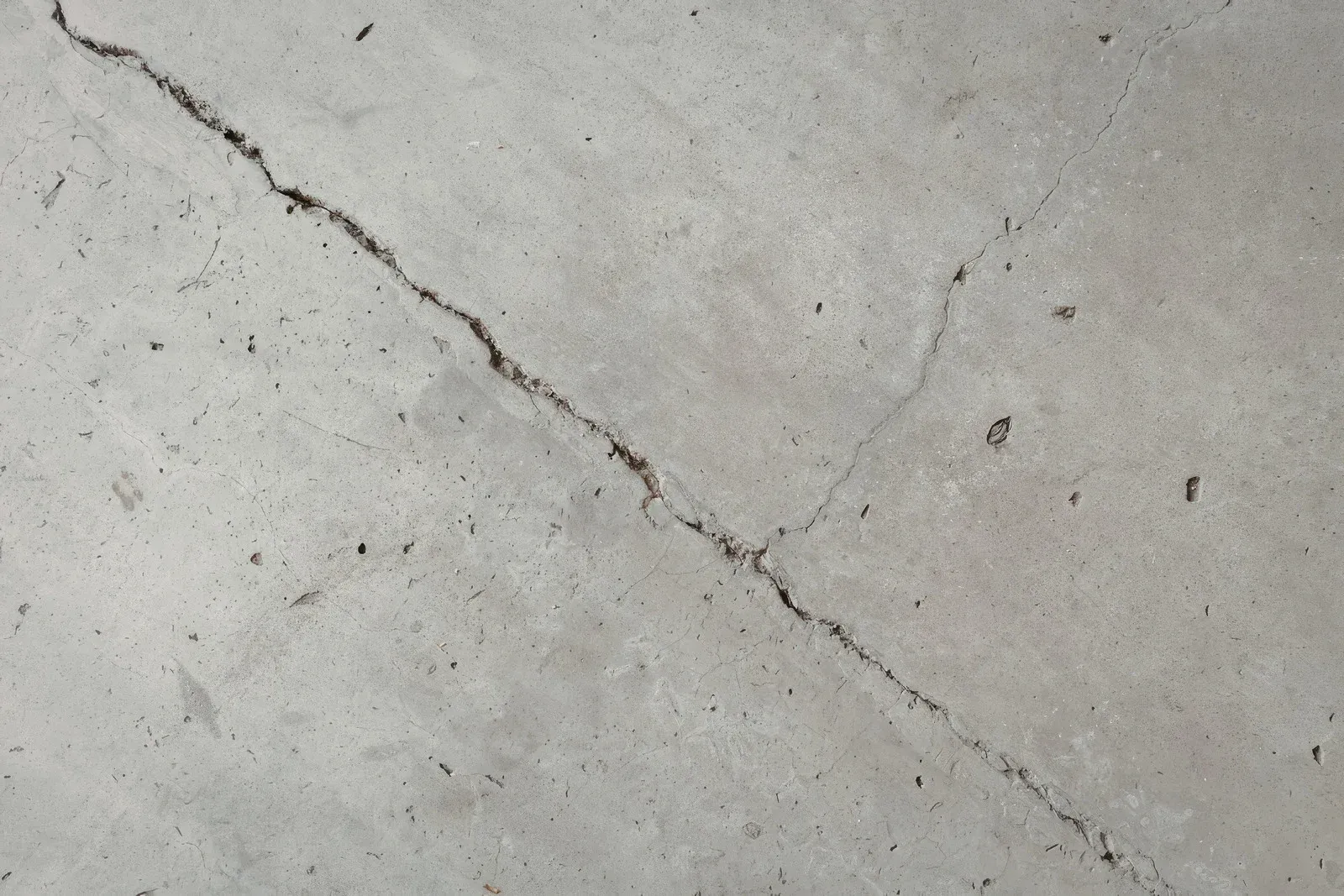
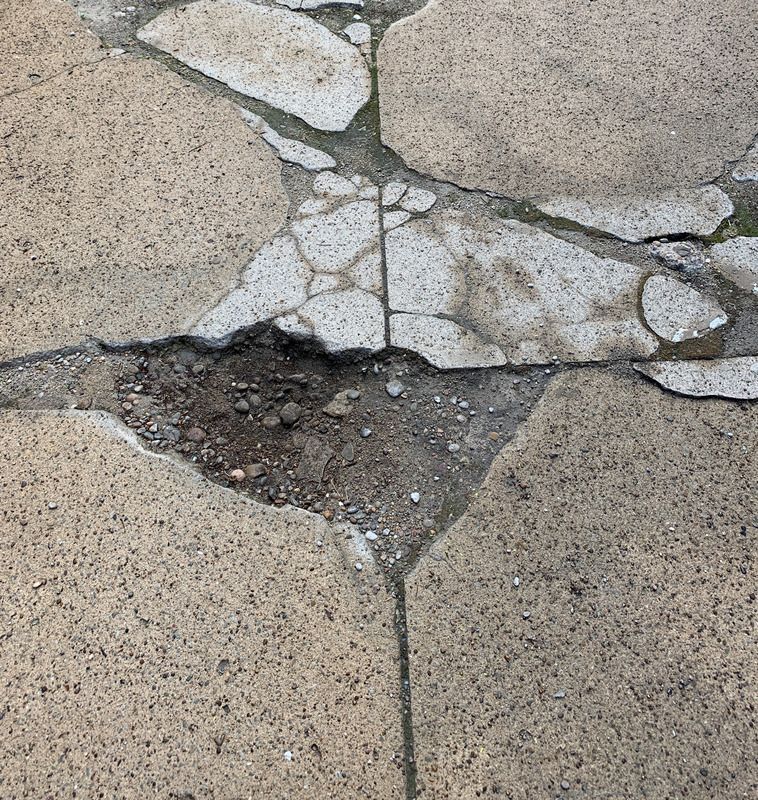
One of the primary challenges for concrete driveways in Kentwood is the freeze-thaw cycle. Water that seeps into small cracks or pores in the concrete can freeze when temperatures drop below 32°F. As water freezes, it expands, putting pressure on the surrounding concrete. When the ice thaws, it leaves tiny gaps behind, which can lead to cracking, spalling, and surface deterioration over time.
This cycle repeats throughout the winter months, particularly during Michigan’s fluctuating temperatures in January and February. Over time, even well-installed driveways can develop minor cracks if proper precautions aren’t taken during installation or maintenance.
Salt and Deicing Chemicals
To keep driveways safe from ice, many Kentwood homeowners rely on salt and chemical deicers. While effective at preventing slips, these substances can have a damaging effect on concrete. Salt penetrates the surface and accelerates wear, especially on concrete that hasn’t been properly sealed. Over time, this can cause surface scaling, rough patches, and discoloration.
Mike, a local Kentwood concrete contractor, advises homeowners to use deicers sparingly and choose ones that are concrete-safe. He also recommends sealing driveways before winter to create a protective barrier against moisture and salt penetration.
Snow and Ice Removal Practices
The methods used to remove snow and ice can also impact the longevity of a driveway. Using metal shovels or heavy-duty snow blowers can scratch or chip the concrete surface. It’s important for Kentwood homeowners to use plastic shovels, rubber-tipped tools, or push-style snow removers when clearing snow from their driveways.
Mechanical damage combined with the natural expansion and contraction from freezing and thawing can exacerbate wear and tear. Even small scratches can allow water to seep deeper into the concrete, increasing the risk of cracks forming.
Temperature Considerations for Driveway Installation
For Kentwood homeowners planning a new concrete driveway, winter conditions are an important factor. Concrete should ideally be poured in temperatures above freezing to allow proper curing. Pouring concrete in cold weather without proper precautions can lead to weak spots, delayed curing, or even surface scaling once the first freeze occurs.
Professional contractors often use special techniques during colder months, such as heated blankets, additives, or controlled curing environments, to ensure the concrete gains full strength before facing Michigan’s winter conditions.
Maintenance Tips for Winter
While concrete driveways are built to last, winter maintenance can significantly extend their life. Kentwood homeowners should:
- Seal the driveway annually or every few years to prevent water infiltration.
- Remove snow promptly using safe tools that won’t damage the surface.
- Use concrete-safe deicers to protect the surface from chemical damage.
- Inspect for cracks early and repair minor issues before they expand.
Taking these simple steps helps minimize the impact of freeze-thaw cycles, salt, and ice, keeping driveways functional and visually appealing.
Michigan winters are challenging for all outdoor surfaces, and concrete driveways in Kentwood are no exception. The combination of freezing temperatures, snow, ice, and road salts can cause cracking, scaling, and surface wear if not addressed properly. However, with proper installation, protective sealing, and careful winter maintenance, concrete driveways can withstand Michigan’s harsh winters and continue to provide a durable, low-maintenance surface for years to come.
Homeowners who understand the effects of winter weather and take proactive measures can enjoy safe, attractive driveways that survive Michigan’s seasonal extremes without frequent repairs.